
A Documentary Exhibition Is an Invitation, Not a Complete National Record
A new Havana exhibition prompts a curatorial question: how can selected documents invite inquiry without pretending to contain the whole history?
Inside this article
01A display makes a selection visible ↓02The unit on the wall is not always the unit in the archive ↓03Explain the selection as an editorial decision ↓Event / source date: UNESCO account published 4 November 2026; inauguration described as Tuesday in source. · Published 9 NOVEMBER 2026
A display makes a selection visible
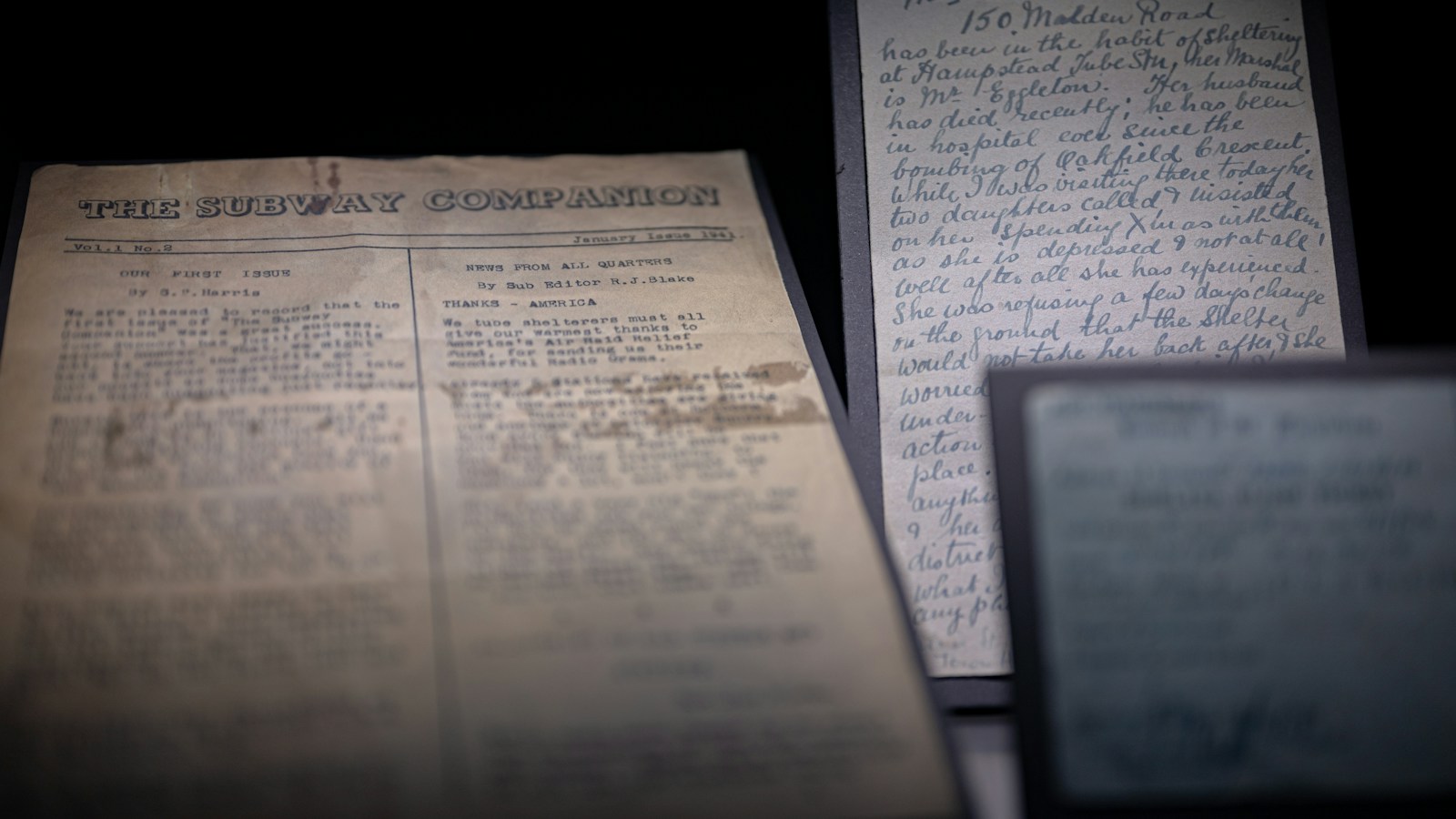
UNESCO’s account dated 4 November describes the exhibition Cuba in the Memory of the World at its regional office in Havana. The display brings together images from documentary fonds and collections inscribed on the international, regional and national registers of the Memory of the World Programme. The account identifies material associated with cinema, city administration and other fields of Cuban history.
These are details of the announced exhibition, not evidence that a particular visitor acquired a complete understanding of that history. The question examined here concerns selection. A display can provide a serious introduction while remaining a deliberately limited arrangement. Its authority is stronger when it explains what its selection allows a visitor to ask and what the visitor would need to consult next.
The unit on the wall is not always the unit in the archive
An exhibition may show a page, an image or a short passage from a much larger body of records. The visitor needs enough information to distinguish the displayed fragment from the collection to which it belongs. Otherwise, a striking example can appear to speak for material that has not been examined in the encounter.
Consider a hypothetical display of a council record. A single entry may reveal how an institution recorded one decision. It does not automatically establish the institution’s complete practice across a century. A useful label would identify the item’s place in the larger record and explain why it was chosen. That gives the fragment a defensible role without asking it to become an entire history.
Explain the selection as an editorial decision
A display organised around recognised collections still involves choices about which items become visible, in which sequence and with what explanatory language. Recognition of a collection does not make those later choices automatic. The curator should be able to explain the question each item helps the visitor investigate.
This does not require a wall covered in administrative justification. A concise statement of scope can do substantial work: the exhibition follows a theme, introduces several formats or compares particular periods. Such language makes the invitation more intelligible. It also leaves room for an important admission: other choices could have created another valuable exhibition from the same broader heritage.
A reproduction should also be named as a reproduction where that distinction matters. Showing an image of a document can make its content approachable while leaving the original’s material features outside the encounter. A visitor interested in handwriting, scale or physical condition may need another kind of access. Explaining that boundary gives the displayed copy a clear purpose instead of letting visual familiarity stand in for every possible examination of the source.
Let different formats remain different kinds of evidence
A poster, a private letter and an official record do not perform identical functions. They were made for different audiences and purposes. Placing them beside one another can reveal useful relationships, but the relationship needs an argument rather than a shared date alone.
In a hypothetical sequence about a public event, a promotional image could show how organisers wanted the event to appear. A later administrative note might record a practical consequence. Neither should be treated as an unmediated view of everything that happened. The display can help by asking what each object was intended to do before asking what it now contributes to the exhibition’s account.
A recognised collection should open a route to further inquiry
A visitor who becomes interested should be able to identify the relevant institution, catalogue or form of access. That route may involve conditions and limits. A display should describe them accurately instead of allowing a general promise of accessibility to stand in for an actual next step.
The next step need not mean immediate access to every original. It might begin with a catalogue description, a reading-room enquiry or related material available in another format. What matters is that interest can become a defined investigation. An exhibition should not be a beautifully presented dead end for someone who wants to understand the record beyond the selected image.
Make absence a question rather than an accusation
Not every absence from a display proves that an item was suppressed or a subject considered unimportant. Space, conservation, available copies and the stated theme can shape a selection. Equally, a curator should not use the fact of limited space to avoid explaining a consequential omission.
A responsible conversation can ask which voices and periods the selection does not cover, why those limits exist and where another account might be found. This keeps the question precise enough to answer. The aim is neither to demand an impossible total exhibition nor to let a display’s polished coherence conceal the boundaries that helped produce it.
The value lies in a better question
The Havana exhibition draws attention to a range of documentary material and to the responsibilities of preserving and making it accessible. Those ambitions deserve reporting on their actual scale. An exhibition announcement establishes an occasion for encounter; it does not independently demonstrate what every institution or visitor will do afterwards.
My conclusion is that a documentary display succeeds when its selection gives a visitor a more precise question about the past. It should provide enough context to begin answering, and enough honesty about its own limits to encourage the next enquiry. The national record remains larger than the exhibition. That is not a weakness to disguise. It is the reason an exhibition can become an invitation worth accepting.
Gabriel Nicolaev — CyGuru
Sources & further reading
UNESCO: Cuba in the Memory of the World exhibition ↗
Editorial photograph for illustration.
Another angle on this subject
Continue through related ideas, decisions and consequences.
 Culture & Ideas
A Children’s Library Should Let the Story Arrive Before the Lesson
A new Mexico City reading space prompts a question about children’s literature: how can a public purpose guide a collection without deciding every reader’s response?
 Money & Business
Reopened Bond Markets Do Not Make Debt Cheaper
The World Bank’s new debt report separates access to finance from its cost. A reopened market can change the repayment calendar without reducing the burden.
 Technology & AI
An Equation on Screen Needs More Than a Clear Picture
W3C’s new MathML draft prompts a publishing question: can a reader understand and reuse an expression, rather than merely see a polished picture of it?