
A Public Pilot Needs a Way to End Its Exemptions
An experimental public service can test a new approach while leaving temporary exceptions behind. Its design should explain what happens when the test ends.
Inside this article
01Temporary permission needs a final question ↓02Name what is actually exceptional ↓03Participants should understand the boundary ↓Temporary permission needs a final question
A public pilot can allow an institution to test an arrangement before deciding whether to adopt it more widely. It may operate with a smaller group, additional support or exceptions to an ordinary process. Those features can make the experiment useful. They also create a question that should be addressed before launch: what happens to the exceptions when the test ends?
This essay is a governance opinion, not a description of a named programme or a statement of legal requirements. The argument is that a pilot needs an exit design alongside an evaluation design. Otherwise, temporary permission can become a continuing arrangement whose future is decided by inertia rather than the authority that originally justified it.
Name what is actually exceptional
A hypothetical public service might test a simplified application route with a small group of participants. It could provide staff assistance that the ordinary service does not offer. The evaluation should distinguish the effect of the simpler route from the effect of that additional assistance, rather than attribute the whole experience to a single innovation.
The institution should also identify which conditions it intends to preserve and which belong only to the test. An exception may concern eligibility, review, staffing or the treatment of an incomplete record. Each requires its own decision. A broad label such as experimental status should not conceal the different obligations that would need an answer if the arrangement continued.
Participants should understand the boundary
A person joining a pilot should know what participation does and does not promise about the later service. An invitation to test an arrangement differs from a guarantee that the arrangement will continue. Equally, calling something a test should not excuse a vague account of commitments already made to participants.
In the hypothetical application pilot, the institution could explain what happens to a request still being processed at the closing date. Will the ordinary route take over? Will the pilot team finish the case? What information will move with it? These practical questions deserve an answer independently of whether the experiment eventually receives a favourable evaluation. A person’s unfinished matter should not become an accidental casualty of the research timetable.
Separate a successful test from a viable ordinary service
An arrangement can work well with exceptional attention while remaining difficult to operate under ordinary conditions. The evaluation should identify which resources made the result possible and whether those resources are included in the proposed continuation. Otherwise, success can be defined through a service that the institution has no realistic plan to provide.
That does not diminish the usefulness of a small experiment. It makes its contribution more precise. The pilot may reveal a promising method, an expensive dependency or a subgroup for whom a different arrangement is appropriate. These are different findings. The institution should resist turning them all into a general claim that the tested approach is ready for everyone without further decisions.
Do not let extension replace judgment
A limited extension can be sensible when more evidence is needed. It should identify the missing question, the additional work and the point at which a decision will be taken. Merely continuing because a final answer is uncomfortable would give temporary status a different purpose from the one used to authorise it.
A hypothetical review might discover that one benefit is clear while an important burden remains uncertain. The response could be another bounded test, a revised design or a decision not to continue. The important requirement is that extension remains a decision with a reason, rather than an administrative habit that permits an exemption to survive without an accountable owner.
Preserve what was learned without preserving every exception
Ending a pilot need not mean discarding its useful findings. A clearer form, an improved explanation or a better understanding of an access barrier may be usable within the ordinary service even when the full experimental arrangement cannot continue. The closing account should identify those possibilities separately from the decision about the pilot as a whole.
It should also explain what records need retention and what information no longer has a purpose. A programme can create personal data and operational dependencies that outlast the public event announcing its end. Closing responsibly means assigning those remaining obligations, not merely removing the pilot’s name from a webpage. Learning and continuation should not be treated as the same administrative choice.
A pilot can also change the expectations of staff outside its formal boundary. An ordinary service team may begin directing difficult cases into the experiment or defer its own improvements while waiting for the result. The evaluation should notice these effects on the surrounding organisation. They can matter even when the pilot participants report a satisfactory experience. A closing plan should identify whether another team has become dependent on the exception and how that dependency will be addressed. The experimental boundary should remain visible to the institution using it, not only to the participants invited to join.
Make the ordinary rules visible again
The final decision should say which arrangement now governs, who is affected and when the transition occurs. If an exception becomes permanent, it needs the appropriate basis and ownership. If it ends, people need a practical route back into the ordinary process. If the design changes, the new boundary should be understandable before someone relies on the old one.
A pilot’s purpose is to make a better decision possible. It should not make decision-making indefinitely optional. The test proposed here is whether the institution can finish the experiment without losing the people, records and responsibilities that passed through it. An experiment becomes more credible when its temporary permissions can end as deliberately as they began.
Gabriel Nicolaev — CyGuru
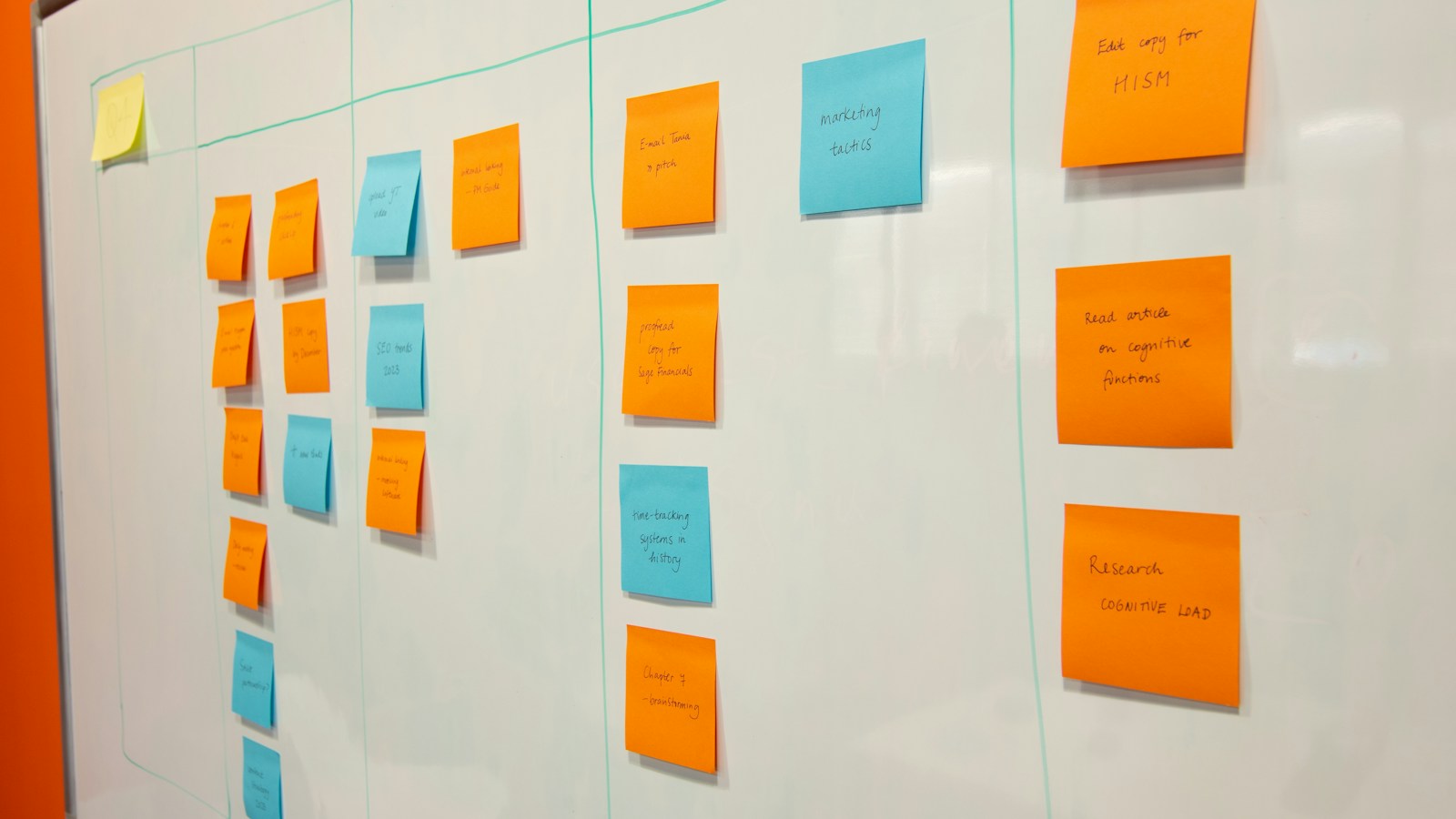
Editorial photograph for illustration.
Another angle on this subject
Continue through related ideas, decisions and consequences.
 Technology & AI
A Search Box Should Explain What It Does Not Search
Search results become easier to interpret when a service makes its scope, filters and excluded material visible beside the query.
 World & Power
Emergency Delegations Need an Expiry and a Review Owner
An urgent delegation can make action possible. A responsible institution should also identify when the delegated power ends and who reviews its continued use.
 World & Power
Closing Public Infrastructure Is a Public Decision, Too
A policy essay on retiring public infrastructure: distinguish an asset that should close from a service obligation that still needs an accountable future.