

The CyGuru Column · Opinion
The Hidden Cost of Asking Everyone for Permission
When every important choice requires outside reassurance, the final decision may belong to whoever is most willing to disapprove.
2 NOVEMBER 2026 · 3 MIN READ
Find a subject. Follow an argument. Discover a different perspective.
31 articlesWhen every important choice requires outside reassurance, the final decision may belong to whoever is most willing to disapprove.

Leaving a choice unresolved can preserve emotional comfort while circumstances quietly choose the outcome.

Effort becomes strategically useful when it serves a chosen outcome and survives contact with the limits of a real week.

Treating presence as a reward for finishing everything can turn the most meaningful parts of life into a permanent future appointment.

Repeated emergencies deserve more than faster reactions: they deserve an examination of the promises and decisions that keep producing them.
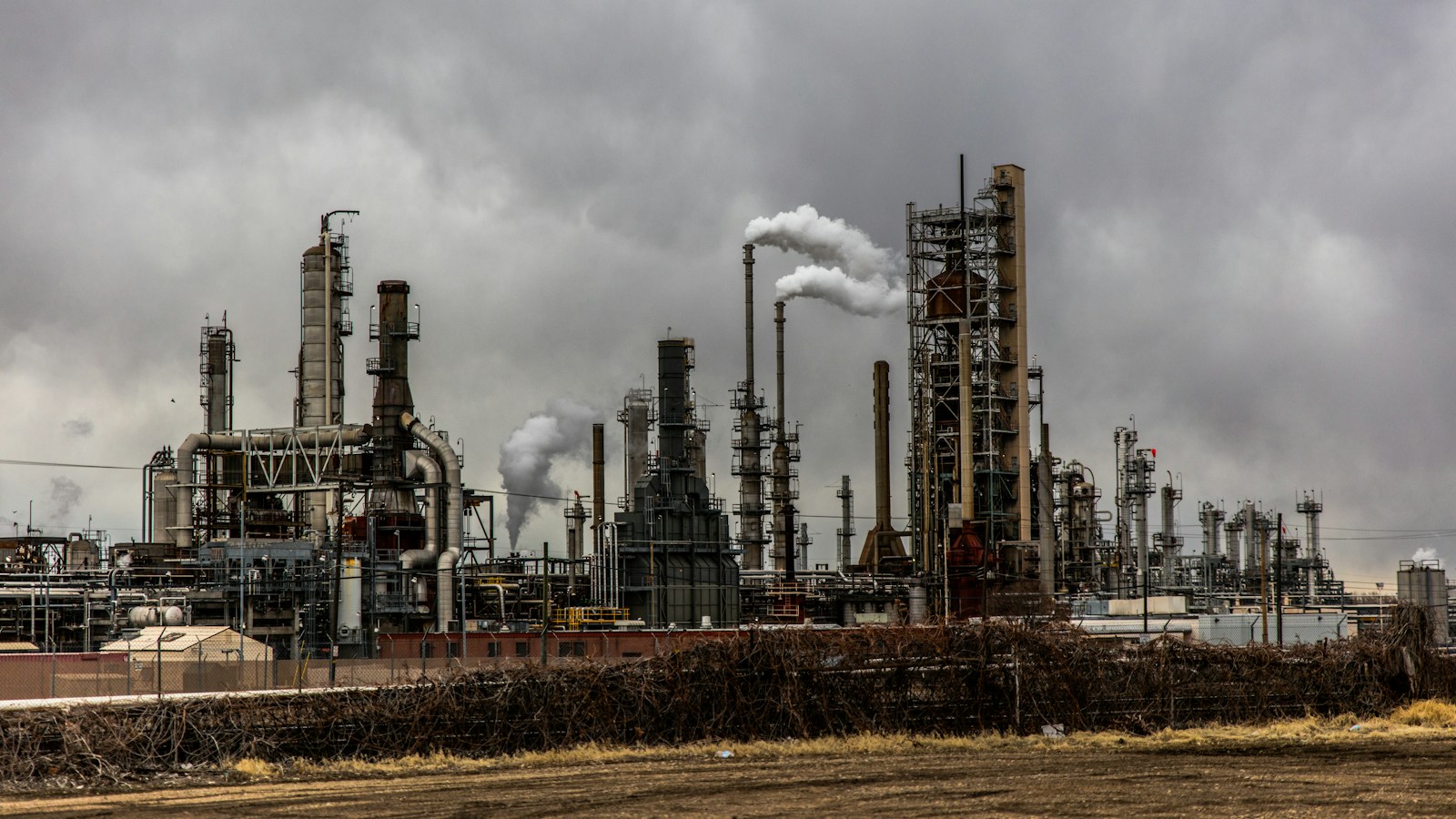
The Abu Dhabi partnership announced on 2 November puts integrated industrial decisions at the centre of the next AI test.
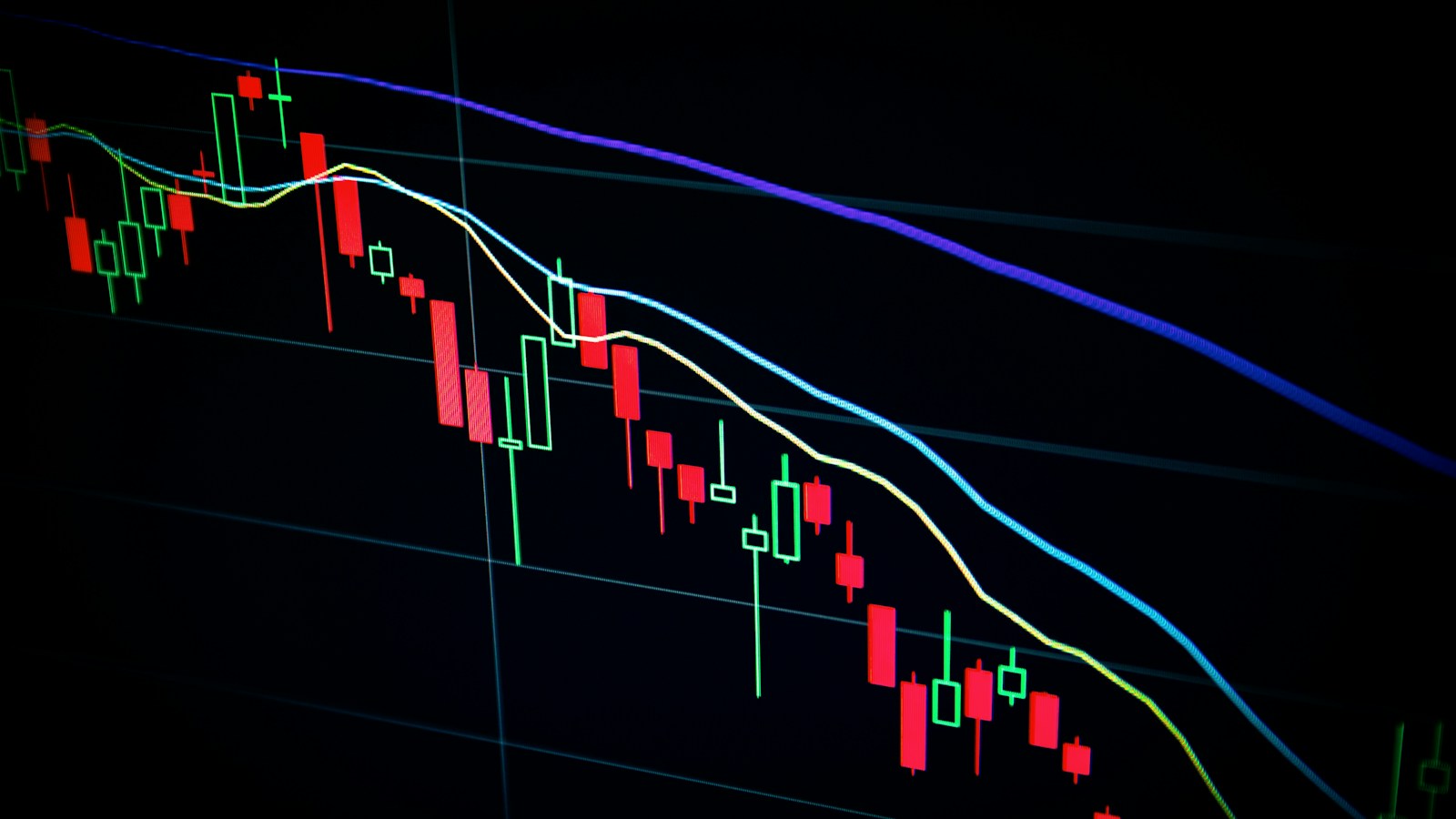
A reported euro-denominated offering highlights the difference between confidence in a technology company and confidence in the returns on its next investment cycle.

Friedrich Merz’s call for European AI capability raises a practical question: which forms of technological control can governments actually exercise?

Reports of disrupted fridges and freezers show why digital incidents can become stock losses and operational emergencies.

The proposed $115 billion transaction puts the economics of connecting computing capacity alongside the race to build it.

The 29 October decision keeps policy unchanged while highlighting the challenge of higher energy costs and weaker growth.

The latest IMF assessment points to a divide between economies benefiting from investment and those carrying higher energy and food costs.
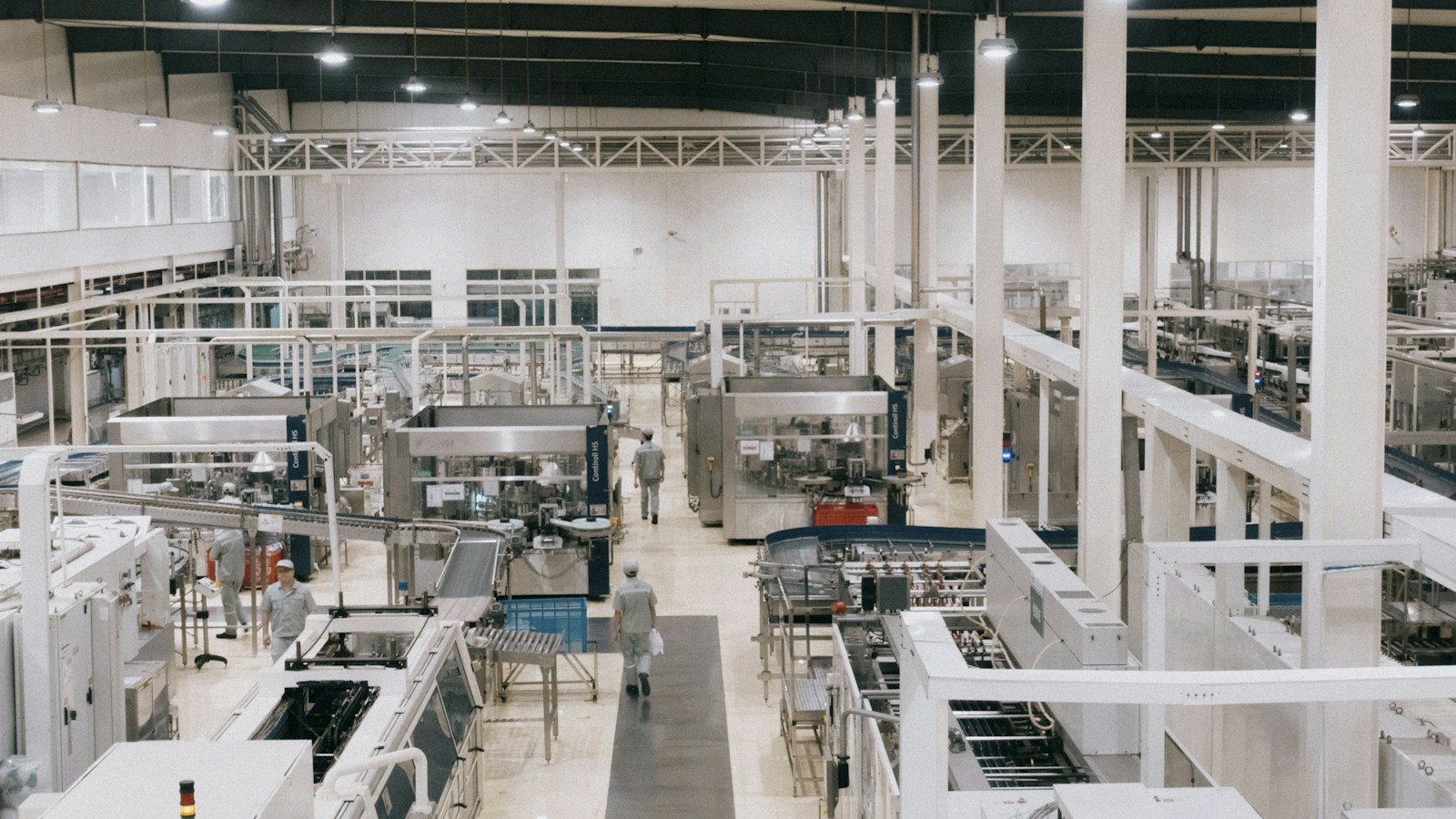
Manufacturing can expand while higher input costs and disrupted supply leave businesses with less financial room.

An October manufacturing announcement highlights why local production claims need to be read at the level of materials, processes and capacity.
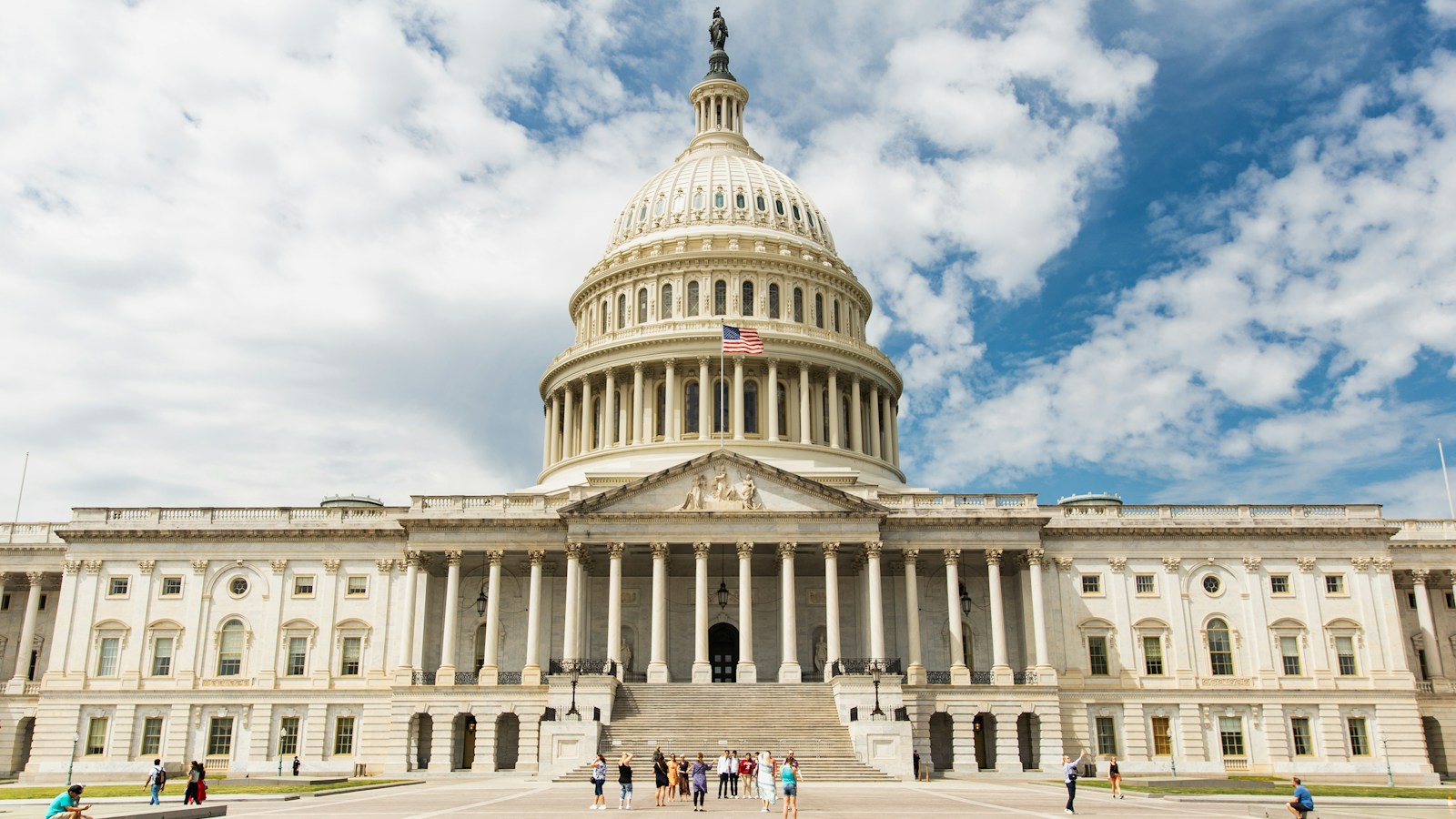
Ahead of the 3 November vote, the relevant commercial question is how political outcomes might change decisions, oversight and expectations.

Geopolitical alignment changes more than trade routes. It changes who pays for resilience, who carries the adjustment and who can afford alternatives.

In markets and institutions, influence often rests on the ability to make another party’s departure expensive.

An impressive demonstration cannot tell a business whether its whole operation will become faster, better or cheaper.

As production becomes easier, organisations need a disciplined way to separate plausible output from reliable work.

A reserve does more than pay bills. It changes which demands a business can refuse and how long it can negotiate.

A price is judged against a reference point, a perceived alternative and a story about what the exchange means.

Past effort can make a failing commitment feel impossible to abandon, even when the future offers a better use of resources.

A convincing account of an outcome can hide weak reasoning, while a careful choice can still end badly.

A constant stream of updates can shape your priorities before you have decided which questions matter.

When every decision feels immediate, the deeper question is which commitments keep manufacturing the next emergency.

Power is easier to understand when you follow dependencies: who needs whom, what can be withheld, and how expensive the alternatives are.

Producing an answer and accepting responsibility for it are different economic activities.

A growing business can still lose its freedom when collections lag behind commitments.

Status can turn visible consumption into an obligation that quietly narrows your choices.

An idea becomes useful when it survives examination, comparison and application.

A decision can be weakened by the need to end discomfort immediately.