
Germany’s AI Sovereignty Debate Is Really About Dependence
Friedrich Merz’s call for European AI capability raises a practical question: which forms of technological control can governments actually exercise?

Event / source date: 2 November 2026 · Published 2 November 2026
The news behind the debate
Reuters reported that German Chancellor Friedrich Merz used a Berlin AI conference on 2 November to call for faster development of German and European capabilities. He framed dependence on outside providers as a concern for digital sovereignty. The speech establishes a policy priority; it should not be mistaken for a completed procurement programme, a funded industrial plan or a new legal requirement.
A slogan needs an operating definition
Sovereignty can refer to several different things: the ability to choose suppliers, preserve access to critical services, control sensitive information or change an essential system without unacceptable disruption. These objectives overlap but are not identical. A domestic provider might improve one form of control while relying on foreign components elsewhere. Any serious strategy must specify which dependency matters and what level of control would count as success.
Ownership does not settle every dependency
An organisation can own a building while depending on external expertise to operate what is inside it. It can have a locally branded product whose essential service is provided elsewhere. These examples show why a dependency map must follow the actual function rather than the label. The relevant assessment asks what would stop working, how quickly it could be replaced and which party has the practical authority to make a transition happen.
The trade-off with access to innovation
Seeking greater control can involve higher costs, delayed access or duplicated investment. Those may be justified for critical functions, but they should remain visible. Treating all external dependence as unacceptable would make almost every modern industrial relationship suspect. A more credible approach distinguishes tolerable reliance from a bottleneck that could impair essential services. The goal should be a usable alternative, not a claim that technological interdependence can disappear.
Procurement can create capability or entrench weakness
Public spending can provide demand that helps a local supplier develop. It can also shelter poor performance if success is defined by geography alone. A useful procurement design would preserve measurable service standards, practical portability and clear responsibility when something fails. This is an analytical framework rather than a description of an announced German contract. Its relevance is that the details of purchasing often determine whether a sovereignty ambition produces meaningful choice.
A test for business leaders
A company does not need to wait for a national strategy before examining its own critical dependencies. Identify the service that would be hardest to replace, the records required for migration and the people able to run an alternative. Then test a narrow transition. The exercise may confirm that the current supplier is the best choice. That is still a stronger position than assuming independence because an export button exists.
What to watch after the speech
The next meaningful developments would be concrete budgets, procurement criteria, infrastructure arrangements and evidence of adoption. Announcements should distinguish available capability from future ambition. Readers should also ask who bears the cost of any transition and how performance will be compared. A programme that protects institutional control while preserving quality is different from one that merely changes the nationality of a dependency.
The deeper political economy
The ability to refuse a supplier, negotiate terms or maintain continuity can be a source of power. AI makes that familiar problem more prominent because the service may become embedded in many other decisions. Merz’s intervention brings the issue into public debate. Whether it produces durable autonomy will depend on operational alternatives that organisations can actually use, not only on the language of sovereignty.
Gabriel Nicolaev — CyGuru
Sources & further reading
Reuters · Merz on digital sovereignty, 2 November 2026 ↗
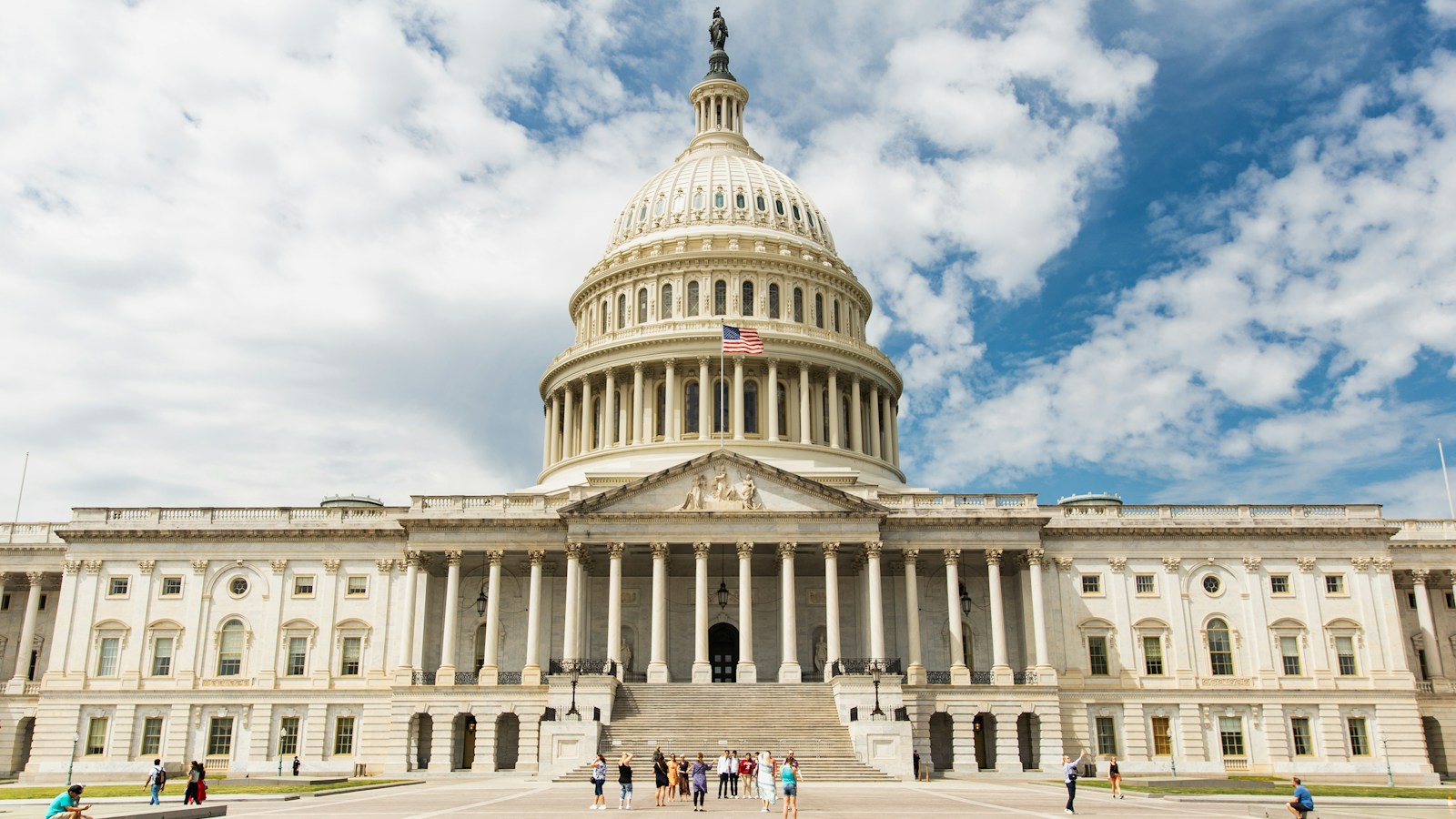
Editorial photograph for illustration.
Continue reading

IMF’s October Outlook: Global Growth Is Resilient, but the Gains Are Uneven
The latest IMF assessment points to a divide between economies benefiting from investment and those carrying higher energy and food costs.
US Midterms: Why Businesses Need Policy Scenarios, Not Election Certainty
Ahead of the 3 November vote, the relevant commercial question is how political outcomes might change decisions, oversight and expectations.

The Real Cost of a World That Trades in Blocs
Geopolitical alignment changes more than trade routes. It changes who pays for resilience, who carries the adjustment and who can afford alternatives.