
US Midterms: Why Businesses Need Policy Scenarios, Not Election Certainty
Ahead of the 3 November vote, the relevant commercial question is how political outcomes might change decisions, oversight and expectations.
Event / source date: 2 November 2026, ahead of the 3 November election · Published 2 November 2026
The immediate context
Reuters reported on 2 November that US businesses and investors were preparing for potential shifts in congressional power in the 3 November midterm elections. Its coverage discussed how different industries might be affected by changes in policy attention and oversight. This article is published before the vote. It does not report a result, endorse a candidate or treat a market expectation as a settled political outcome.
Political attention is an economic variable
A business can be affected by the questions institutions decide to ask, even before a major law changes. Scrutiny can alter the time spent explaining a project, the information expected from management and the assumptions customers make about the future. The precise effect depends on the issue and the institutions involved. Readers should therefore identify the actual channel rather than assuming that a change in political control automatically produces one uniform commercial consequence.
Separate three stages
An election result, a stated policy intention and an implemented measure are different events. Between them sit negotiation, institutional constraints and operational detail. Businesses that collapse those stages may react too quickly to a headline or too slowly to a change that has become concrete. The useful discipline is to state which stage is being discussed and what further evidence would make the potential effect relevant to a current decision.
Why sector labels can mislead
A broad industry contains companies with different customers, contracts and exposure. Two firms placed in the same sector may experience a policy change differently. A business selling to households faces another set of questions from a business whose revenue depends on a long public procurement cycle. This is a general analytical distinction, not a prediction for any named security. The assessment needs to reach the revenue mechanism before it becomes commercially useful.
A hypothetical investment decision
Consider a company evaluating an expansion whose return depends partly on an expected policy environment. It can separate the decision into reversible preparation and a later commitment that is difficult to unwind. That approach preserves learning without pretending to know the outcome. It will not suit every project, but it illustrates an alternative to either freezing all activity or proceeding as if the preferred political scenario were guaranteed.
Build scenarios around mechanisms
A useful scenario names the relevant decision, the party able to make it, the time it might take and the part of the business affected. It should include a response that is feasible with existing resources. Merely labelling cases optimistic and pessimistic can obscure the assumptions. The purpose is to identify what management would do differently when evidence changes, not to decorate the same plan with several political narratives.
Evidence after the vote
Once results are established, the next questions concern specific institutional arrangements, announcements and decisions. Readers should be careful about timing and should distinguish confirmed outcomes from incomplete counts or commentary. A short-term price movement can reveal a market interpretation without proving the interpretation correct. Business planning should keep that distinction visible, especially when the operating consequences would take much longer to emerge.
The strategic conclusion
Political uncertainty rewards neither permanent alarm nor effortless certainty. It rewards a clearer understanding of exposure and the ability to revise a plan when the relevant evidence arrives. The midterm vote is an important event, but the commercial work continues beyond election night. A disciplined organisation connects political developments to actual decisions instead of allowing a dramatic headline to determine the whole strategy.
Gabriel Nicolaev — CyGuru
Sources & further reading
Reuters · Business sectors ahead of the US midterms, 2 November 2026 ↗
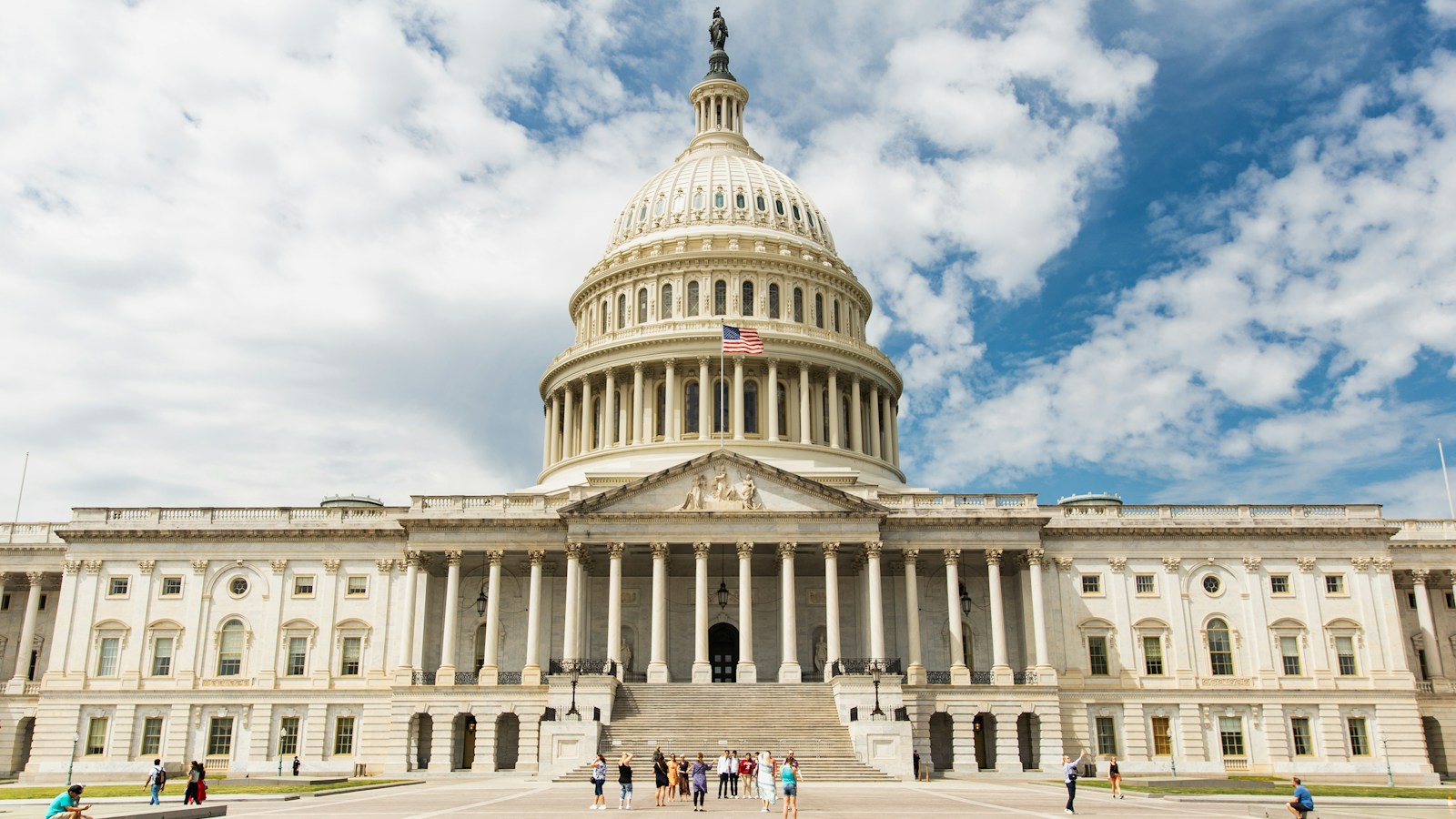
Editorial photograph for illustration.
Continue reading

Germany’s AI Sovereignty Debate Is Really About Dependence
Friedrich Merz’s call for European AI capability raises a practical question: which forms of technological control can governments actually exercise?

IMF’s October Outlook: Global Growth Is Resilient, but the Gains Are Uneven
The latest IMF assessment points to a divide between economies benefiting from investment and those carrying higher energy and food costs.

The Real Cost of a World That Trades in Blocs
Geopolitical alignment changes more than trade routes. It changes who pays for resilience, who carries the adjustment and who can afford alternatives.