
IMF’s October Outlook: Global Growth Is Resilient, but the Gains Are Uneven
The latest IMF assessment points to a divide between economies benefiting from investment and those carrying higher energy and food costs.

Event / source date: 13 October 2026 · Published 2 November 2026
The latest assessment
In its 13 October World Economic Outlook briefing, the IMF projected global growth of 3.1% in 2026 and 3.4% in 2027. It described resilience as increasingly uneven, citing differing exposure to AI-related investment and higher energy and food costs. These are the IMF’s projections at that publication date, not final outcomes. This 2 November article examines how to read that divergence.
An average can conceal the business reality
A global growth rate combines economies with different industrial structures, financing conditions and purchasing power. A business sells to particular customers, not to a global average. The practical question is therefore which part of the aggregate resembles its actual market. Strong investment in one sector can coexist with weak household demand elsewhere. Treating the headline as a universal description can lead to expansion plans that are poorly matched to the customers expected to fund them.
Exposure determines the transmission
An energy importer and an exporter can experience the same price movement through different channels. A company selling specialised investment goods may benefit from spending that does not immediately improve demand for everyday consumer services. These examples explain why economic resilience should be mapped through exposure. They are analytical illustrations, not an additional country forecast or a claim that one group will inevitably outperform throughout the next year.
The distinction between activity and purchasing power
An economy can record continued production while households feel less room in their budgets. The composition of growth, income distribution and essential spending all matter. Business readers should examine whether demand is broad enough to support their particular offer. A product designed around discretionary spending may face a different environment from a supplier serving a funded capital project. Neither conclusion follows automatically from the global growth number alone.
Forecasts are conditional tools
A forecast is valuable when it makes assumptions and risks easier to discuss. It becomes misleading when presented as a dated fact about the future. Readers should note the publication vintage and avoid combining figures from different releases without saying so. An updated outlook can change because circumstances changed, because better information arrived or because earlier assumptions no longer fit. Those possibilities deserve examination rather than a reflexive claim that forecasting is either perfect or useless.
A market-entry implication
A hypothetical company entering a new region should compare customer demand, payment reliability and operating costs with the conditions behind its sales plan. A favourable national growth rate is a starting point for investigation, not a substitute for one. The company should identify the buyers most likely to benefit from the relevant economic activity and test whether those buyers actually want the offer. This connects macroeconomic context with a commercial decision that can be checked.
What readers should follow next
Pay attention to changes in the distribution of growth, not only revisions to the total. Ask which assumptions changed and whether the change affects the segment being considered. Evidence from customers, suppliers and published data should be kept distinct. A strong anecdote can reveal a useful question without establishing the whole trend. The discipline is to connect several kinds of evidence while preserving the limits of each.
The strategic conclusion
Resilience is a description of endurance under pressure, not a guarantee that benefits are shared evenly. The IMF’s assessment is useful because it directs attention beneath the aggregate. For a business or policymaker, the next step is to identify where investment, costs and purchasing power meet. That is where the headline outlook becomes an actual opportunity, a constraint or a reason to revise the plan.
Gabriel Nicolaev — CyGuru
Sources & further reading
IMF · World Economic Outlook briefing, 13 October 2026 ↗
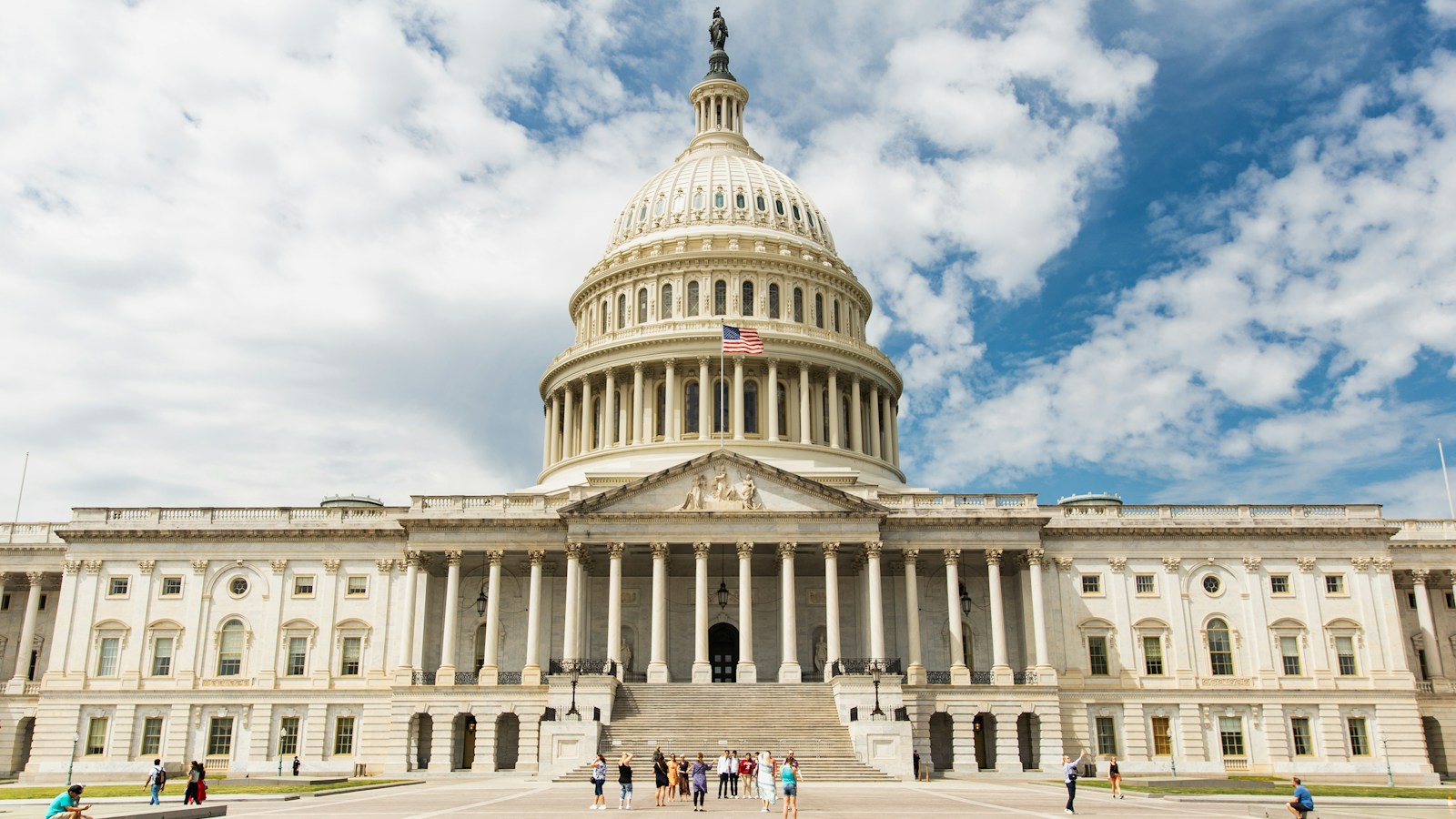
Editorial photograph for illustration.
Continue reading

Germany’s AI Sovereignty Debate Is Really About Dependence
Friedrich Merz’s call for European AI capability raises a practical question: which forms of technological control can governments actually exercise?
US Midterms: Why Businesses Need Policy Scenarios, Not Election Certainty
Ahead of the 3 November vote, the relevant commercial question is how political outcomes might change decisions, oversight and expectations.

The Real Cost of a World That Trades in Blocs
Geopolitical alignment changes more than trade routes. It changes who pays for resilience, who carries the adjustment and who can afford alternatives.