
Leave Some of a Holiday Unplanned
An open afternoon need not deliver a revelation. It can leave room to choose after you have actually arrived.
Inside this essay
01An itinerary can leave something undecided ↓02Protect the commitments that make freedom possible ↓03Choose what the trip is allowed to omit ↓An itinerary can leave something undecided
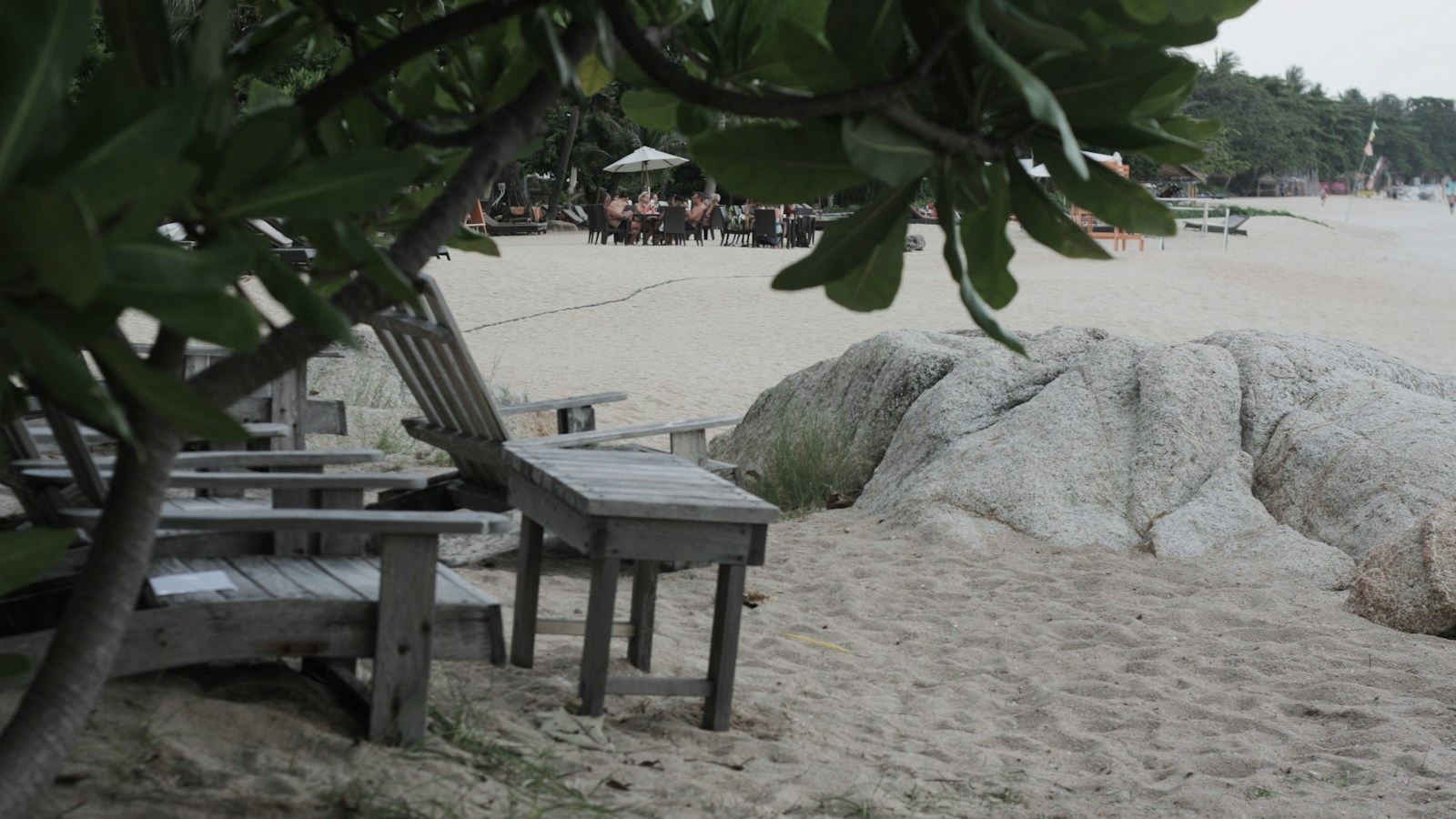
Imagine arriving beside the sea with an afternoon still open. You could walk, sit, read or look for somewhere to eat. Nothing has gone wrong because the hour lacks an assigned result. Yet a holiday can be arranged so tightly that every unoccupied interval begins to look like a failure to use the trip properly.
I would leave some of the visit unclaimed. This is a preference about how to meet an unfamiliar place, not a claim that unplanned travel produces a particular health benefit. The point is to preserve a choice that can be made after arrival. You cannot know every worthwhile use of an afternoon before you have seen the weather, heard a companion's wishes or discovered what holds your attention there.
Protect the commitments that make freedom possible
Leaving space does not mean ignoring transport, accommodation, access requirements or other people's work. A reservation is a real arrangement. A guide waiting at an agreed time should not pay for your newly discovered commitment to spontaneity. Practical preparation can create the conditions within which an open afternoon is actually available.
Separate necessary arrangements from optional ambitions. The return train may be fixed while the number of streets explored is not. A meal needed at a particular time may matter more than visiting one extra shop. This distinction lets you keep what supports the trip without treating every item you considered beforehand as a promise that must now be fulfilled. A list of possibilities can remain a list of possibilities.
Choose what the trip is allowed to omit
A place can contain more than a visitor can experience in the time available. The choice is therefore not between seeing everything and being careless. It is between different omissions. Decide which omissions you are willing to accept, including the possibility that you will later hear about something you would have enjoyed.
In a hypothetical two-day visit, one person might choose a long museum visit and miss a neighbourhood. Another might wander the neighbourhood and leave the museum for a future occasion that may never come. Both have made a finite choice. Neither needs to defend it by declaring the missed experience worthless. You can acknowledge that something appealing remained outside the visit without treating the visit itself as incomplete work.
Let companions have different versions of the day
An unplanned interval can become an obligation if one traveller assumes everyone must share it. The person who wants to sit should not automatically control the person who wants to walk. Nor should the walker turn enthusiasm into a demand that the whole group demonstrate the same energy.
Where circumstances allow, agree on a meeting place and time and spend part of the day differently. Where people depend on one another for care, access or transport, discuss the actual arrangement instead of presenting independence as costless. Somebody may need support to enjoy a quieter hour. The useful question is how to make room for preferences while keeping responsibilities visible, not which style of travel proves the greater freedom.
Do not make a photograph the admission ticket to an experience
You may want photographs. They can be part of the pleasure and a chosen record of the visit. But a moment need not become an image before it counts as something you did. The lunch you ate without documenting it still belonged to the day. The view you cannot reproduce perfectly can remain a view you saw.
This is not a command to put every camera away. It is permission to decide what deserves your attention on that particular occasion. If you are choosing a seat, ask whether you want the view from the seat or the image of yourself occupying it. Either wish can be acknowledged. Naming the wish makes it easier to notice when preparing the record has displaced the experience you originally came to have.
An ordinary afternoon is an acceptable outcome
Perhaps the open interval produces no remarkable discovery. You drink something, watch the water and return to your room. The case for leaving space should survive that ordinary result. Otherwise free time has merely acquired a new performance requirement: it must deliver an unexpected story better than the one the itinerary could have supplied.
CYPAPER's reflection on interests that need not become income streams asks whether enjoyment must justify itself through a future commercial result. A holiday raises a related but different question: must time away justify itself through the density of its experiences? I would allow an afternoon to be worthwhile without making it a demonstration of insight, adventure or personal renewal. Its value can remain smaller and more particular.
Return without writing a verdict on your whole life
A trip may clarify something you want to change, but it need not produce a new identity. You can return having enjoyed a place, disliked part of it or learned that your preferred pace differs from what you expected. These are usable observations. They do not require a declaration that the holiday transformed you.
Nothing Lasts Forever, my book, offers connected reading through its reflections on time and presence. I am its author and have a commercial interest in its sales. I connect it here to attending to the available occasion, not to a promise that travel resolves life's difficulties. Leave enough room in the visit to notice what actually happens. Some of it may be memorable; some may simply pass pleasantly. You are allowed to have been there without turning every hour into evidence.
Gabriel Nicolaev — CyGuru
Sources & further reading
CYGURU — Nothing Lasts Forever ↗
Illustrative photograph. Alyona Chipchikova / Unsplash.
Another angle on this subject
Continue through related ideas, decisions and consequences.
 Money & Business
Retention Is More Credible When Cancellation Is a Real Choice
An opinion on subscription economics: distinguish customers who choose to stay from customers who have not managed to leave, and learn from the difference.
 The CyGuru Column
Leave a Place Without Asking It to Stay the Same
When a familiar café or library closes, ask what the place made possible. You can grieve the room and choose where the practice goes next.
 The CyGuru Column
Your Preferences Do Not Need a Universal Defence
A CyGuru essay on owning a preference without disguising it as a universal rule, and making room for negotiation when the consequences are shared.