
You Do Not Have to Turn Every Interest Into an Income Stream
A CyGuru reflection on protecting the part of an interest that gives life texture before it becomes a product, a public identity or another obligation.
Inside this essay
01Enjoyment does not have to become a business proposal ↓02A sale changes the agreement around the activity ↓03Do not let praise decide the form of your commitment ↓Enjoyment does not have to become a business proposal
You make something, learn something or spend an afternoon practising something you like. The next question does not have to be how it can earn money. It can remain a question about the experience itself: whether you enjoyed doing it, what you noticed and whether you would like to return.
My argument is not against enterprise. Selling your work can be a considered and worthwhile choice. The issue is whether every interest must justify its place in life by becoming commercially useful. A person can make room for an activity because it gives the day a quality they value. That reason does not need to disguise itself as the first stage of a future business.
A sale changes the agreement around the activity
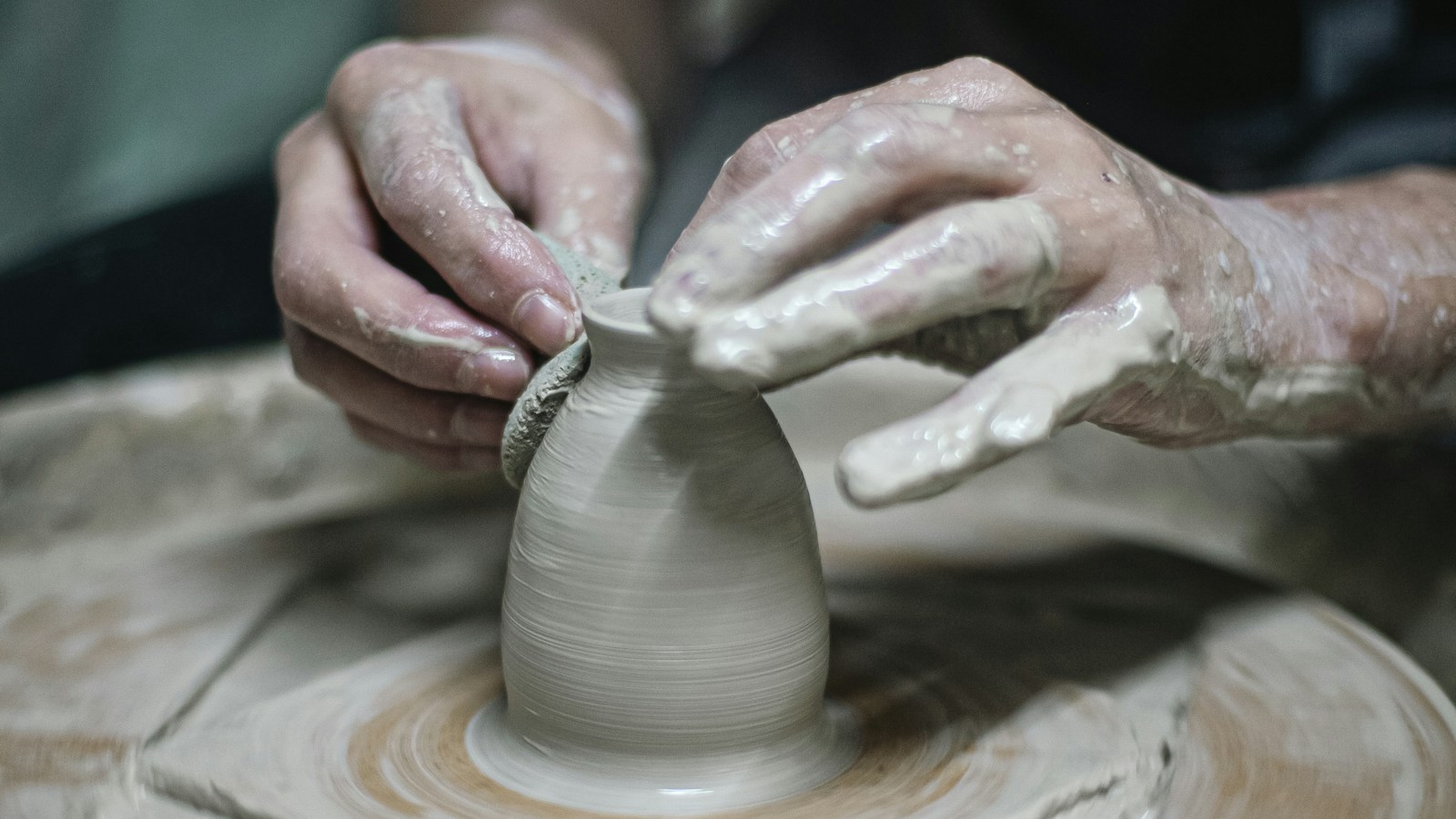
Imagine a hypothetical person who enjoys making pottery for friends. An invitation to sell the pieces introduces a different set of questions: what will be promised, when an order will be ready, what happens if a piece is unsuitable and whether the price supports the work involved. Those are legitimate questions. They belong to a commercial relationship, even if the work began as pleasure.
Accepting that relationship is not inherently a loss. It is a change worth making consciously. You may enjoy the discipline it introduces. You may discover that the activity you valued was the freedom to experiment without a delivery date. Neither answer proves that you are ambitious or unambitious. They describe different ways the same craft might belong in your life.
Do not let praise decide the form of your commitment
Someone may tell you that your photographs, meals or handmade objects are good enough to sell. That can be generous recognition. It does not determine what you should do next. The other person has noticed a quality in the work; you must still decide whether you want the obligations attached to offering it commercially.
A useful response to praise can therefore remain modest: thank you, I enjoy doing this. You do not have to produce a plan in order to honour the compliment. Nor must you reject the possibility of selling forever. You can leave it as a possibility while continuing to value the activity in its present form. An unaccepted opportunity is not automatically a failure of courage.
Keep a private measure of what makes the work worthwhile
Once an interest is shared publicly, it can acquire measures that were not part of its original appeal. You might begin asking whether the photograph is worth posting rather than whether you wanted to take it. That is a possible tension to watch, not an inevitable outcome of sharing.
I would keep a separate question available: would this still deserve a place in my week if nobody saw the result? The answer may be yes, no or sometimes. Any of those answers can clarify the commitment. It helps distinguish the pleasure of the practice from the pleasure of recognition without insisting that one must be morally superior to the other. Both can matter; they need not be confused.
Financial pressure deserves an honest account
A person may need additional income, and an existing skill may offer a possible route. That circumstance deserves practical examination rather than romantic advice to keep every interest untouched. If you decide to sell, identify the work required beyond making the thing itself and consider whether you want to carry it.
The important distinction is between a deliberate response to a financial need and an automatic belief that pleasure without revenue is waste. Even when resources are constrained, it is useful to name the trade-off accurately. You might sell one kind of work while keeping another private, or test a limited offer before accepting an ongoing commitment. The appropriate arrangement depends on the actual circumstances, not a slogan about following passion.
An interest can accompany life without becoming its headline
There is value in an activity that does not require a public identity. You can play an instrument without becoming a musician in every introduction, or grow plants without building a persona around the garden. The practice can belong to you without becoming an explanation of who you are.
Nothing Lasts Forever, my book, considers time, presence and the cost of deferring what matters. Its connection here is the permission to experience an activity now rather than continually converting it into a promise of a more impressive future. This essay does not claim that the book provides a business formula or a technique. It offers a related reflection on what you allow the present to contain.
Choose the relationship you want with the activity
You can ask a more complete question than whether an interest could make money. What relationship do you want with it? Do you want experimentation, service to a customer, companionship, mastery, solitude or some combination that will change over time? Different answers call for different arrangements.
A business can be one worthy form of commitment. So can a practice that remains unpriced and partly unfinished. You are not obliged to extract every possible use from everything you love. The point is to make the decision consciously enough that the activity does not quietly become another duty whose original pleasure you must keep postponing until the work is done.
Gabriel Nicolaev — CyGuru
Editorial photograph for illustration.
Another angle on this subject
Continue through related ideas, decisions and consequences.
 Culture & Ideas
A Public Library Should Not Require a Purchase to Justify Your Presence
An opinion essay on libraries as places to read, ask, learn and remain without turning every visit into a commercial transaction.
 The CyGuru Column
Independence Includes Knowing How to Ask for Support
A CyGuru reflection on making a clear request, sharing an appropriate burden and retaining responsibility without pretending every difficult task must be carried alone.
 The CyGuru Column
Let Your Legacy Include the People Who Can Still Experience You
A long CyGuru reflection on legacy, attention and the difference between leaving a record of achievement and participating in the relationships that give a life meaning.