
Give Credit to the Work You Inherited
A new leader can describe what changed without pretending the useful foundations appeared on the day they arrived.
Inside this essay
01A new name on the door does not begin the whole story ↓02Identify the contribution before writing the tribute ↓03Distinguish maintaining from merely being present ↓A new name on the door does not begin the whole story
Imagine taking responsibility for a small workshop. The room is ready, its tools are maintained, a customer list exists and two colleagues know which supplier can solve an unusual problem. You bring a useful idea and complete the next project. At the launch, it would be easy to describe the result as something you built from nothing. It would also be inaccurate within this hypothetical example.
My argument is for a more exact account of achievement. Taking over responsibility can be substantial work without making the earlier work disappear. Name what you inherited, what you changed and what others contributed during the change. This does not require distributing identical credit to everyone. It requires refusing a convenient origin story that starts only when you arrived.
Identify the contribution before writing the tribute
General thanks can acknowledge goodwill while leaving the actual work invisible. A more useful credit names the contribution: the person who designed the original process, maintained the equipment, introduced a customer or solved a problem that the final presentation no longer displays. Specificity gives the audience a truer account of how the result became possible.
Ask before publishing details that could disclose private work, confidential relationships or a person's involvement they do not want announced. Credit should not require someone to accept unwanted exposure. You can agree on wording or acknowledge a team's contribution without explaining every circumstance behind it. The purpose is accurate attribution, not collecting permission to display another person's history as part of your own success story.
Distinguish maintaining from merely being present
Not every earlier activity contributed equally to the current result. A predecessor may have established the conditions for success, left unresolved problems or done both. Accuracy permits a mixed account. You do not need to turn someone into a flawless founder in order to recognise the part of their work that remains useful.
Maintenance deserves particular attention in the workshop example. A tool that works on your first day may appear to be a natural feature of the room. It is actually available because somebody acquired it, stored it and kept it usable. Naming that contribution does not claim the maintainer designed your new product. It makes the inherited starting position visible, so that the difference between beginning a project and beginning from nothing remains clear.
Make your own contribution precise enough to stand alone
There is no need to shrink what you did. If you changed the design, resolved a difficult dispute or completed a project that had stalled, say so. The stronger account explains the decision and its consequence. It does not depend on presenting everyone before you as confused or inactive.
A useful sentence might distinguish an existing service from the improvement you introduced. The workshop already offered repairs; your team established a clearer collection process. That claim can be important without expanding into the assertion that you created the entire customer relationship. Precision protects your contribution from inflation. It also gives the next person something they can preserve or improve without being asked to repeat a story about your personal indispensability.
Avoid using praise as a substitute for a real obligation
Public recognition cannot settle every question about contribution. If you owe payment, agreed authorship or another specific commitment, a generous speech does not discharge it. Deal with the obligation directly. Appreciation and fulfilment are different acts, even when both belong in the same relationship.
This essay is not legal advice about ownership or intellectual property. Those questions require their actual agreements and relevant expertise. The narrower ethical point is that an attractive narrative should not conceal an unsettled practical matter. In the hypothetical workshop, naming a collaborator on stage would not replace an unpaid fee. Equally, paying the fee would not make a knowingly false claim of sole creation an accurate description of the work.
Credit does not confer permanent control
Recognising earlier work does not give its author an indefinite veto over what follows. A successor may need to alter a process, replace a tool or serve a different purpose. The change can be explained on its merits while the earlier contribution remains part of the record.
CYPAPER's essay on institutional memory examines whether an organisation can continue without depending on its founder. Attribution addresses a different part of that transition: how a successor describes the foundations they use. A record can preserve both facts. This person made the original arrangement possible; the current team is responsible for the next decision. Gratitude need not become a permanent operating licence held by someone who no longer carries the responsibility.
Build a record the next person can correct
Before publishing a project history, invite those involved to identify omissions or mistaken descriptions. Do not ask only whether they like the tribute. Ask which contribution has been assigned incorrectly, what is missing and which detail they would prefer to keep private. You can then consider concrete corrections rather than turn the exchange into a contest over who deserves the warmest paragraph.
My book No Plan, No Future is connected through its focus on purposeful execution and the structure behind visible activity. I am its author and have a commercial interest in its sales. Here, the connection is recognising the accumulated work that makes the next action possible, not presenting the book as a theory of credit. Leave a truthful account alongside the result. A successor who can acknowledge an inherited foundation has less need to erase it in order to show what they added.
Gabriel Nicolaev — CyGuru
Sources & further reading
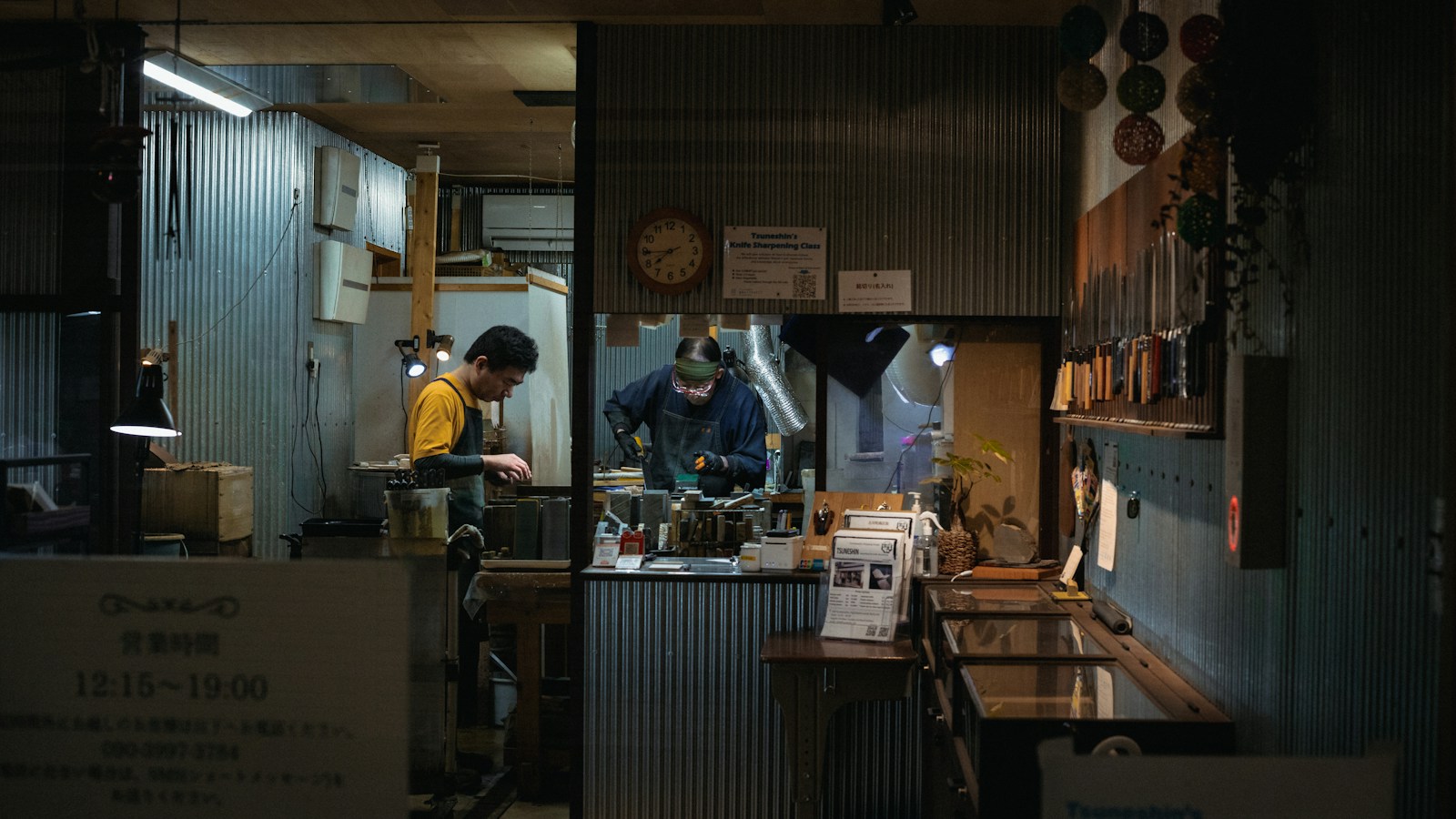
Illustrative photograph. Jason Leung / Unsplash.
Another angle on this subject
Continue through related ideas, decisions and consequences.
 The CyGuru Column
You Can Keep the Standard Without Keeping the Teacher
Give someone credit for teaching you a useful method. Then decide which parts of their authority you have reason to recognise today.
 The CyGuru Column
Correct the Biography People Are Using
An old biography can keep circulating after the job it describes has ended. Keep the record of the work and give editors a reliable sentence they can use today.
 The CyGuru Column
A Personal Ritual Should Serve the Day, Not Hold It Hostage
A CyGuru reflection on keeping a chosen ritual useful without making an interrupted sequence the reason the rest of the day no longer counts.