
Leave a Place Without Asking It to Stay the Same
When a familiar café or library closes, ask what the place made possible. You can grieve the room and choose where the practice goes next.
Inside this essay
01The place held more than its address ↓02Ask what the practice needed ↓03Say goodbye in the scale the place deserves ↓The place held more than its address
Imagine returning to a small café where you met a friend every Friday. The business has moved on, and someone is stripping paint from the window frames. You know precisely where you used to sit and how long it took for your friend to walk from the station. There is a loss in seeing that this arrangement will no longer be available. The loss includes the practical question of what you and your friend will do next Friday.
A place can hold a whole sequence in readiness. You knew the owner would leave you to talk. The seats were close enough to hear, the bill small enough to forget by the end of the day. You could arrive a little early and be easy to find. You and your friend may have spent years giving very little thought to those details because the room kept supplying them.
I would begin by describing what that place allowed you to do. It may have made a conversation easy to start, let you read alone among familiar people or provided an unhurried pause between home and a shift. The particular room deserves to be remembered. Naming its practical role also gives you a question that can survive it.
Ask what the practice needed
In the café example, suppose you suggest a newly opened place with prettier windows. Your friend says they can never arrive there before the Friday rush. The old place had helped keep your meeting within reach because both journeys were simple. A replacement that asks either person to rearrange work every week may have a different effect on the friendship. A bench along both journeys, with a nearby place to sit indoors on cold days, could preserve the encounter more readily than the room you first imagined.
There is room to be exact about what does not carry over. You might miss greeting the owner by name or the moment the daylight came through the window. If you feel disappointed after the first attempt somewhere else, that feeling belongs to the change. Give yourself time to see which parts of the new arrangement take shape and which you simply miss.
Different people may have used the same place for different purposes. A relative who met you at a quiet library could have valued the bus stop and the reliable heating while you remember the magazines. Before arranging a replacement, ask each person which aspect makes the next meeting possible. A place that serves as a memory for one person may have served as an accommodation for another. Where practical access is part of what was lost, the remedy may involve a different location or a different hour rather than a better tribute.
Say goodbye in the scale the place deserves
If you have advance notice, make an ordinary visit. Say what the place made possible, if there is someone there who wants to hear it. The owner of a café might welcome knowing that you met the same friend there for years. A staff member on a final shift might want a simple thank you and the freedom to finish their work. Read the occasion and leave room for the other person’s version of it.
You may want a photograph or a note. Write down a detail you would otherwise forget, or keep a date alongside a memory so it can be told accurately later. You can leave the scene largely unrecorded too. My earlier essay on releasing a keepsake considers the future of an object. Here the immediate question is what to do on the day when a place can no longer hold your appointment.
Some changes involve wider questions. People who depend on a library may want to contest its closure or ask a council for continued access. A private practice and a public claim can both deserve attention. Meeting your friend at a different library keeps an appointment going. It leaves intact the question of what the first library provided to people who cannot make that journey.
Put one appointment back on the calendar
Choose an act you can actually do in the next week. You could walk the familiar route with your friend and turn off it together when you reach the old corner. If the point was solitude, you might reserve the same hour for reading in a public garden. Keep it modest enough that the new appointment can be tested. Afterward, ask whether it could become part of an ordinary week, and give the answer time to become clear.
There are also practices that have reached an ending of their own. Perhaps both friends have changed schedules and the Friday meeting had already become hard to keep. An honest conversation can recognise that it belonged to a season you valued. The closure may give the two of you a chance to say what you want to carry forward, even if it is a longer visit every month.
Places accumulate a history precisely because people repeat things inside them. You can recognise what a room held and make one small choice about where your part of that life goes next. In the café example, a message about Friday is enough to start. The old room will have its own history. You and your friend still have an afternoon.
Gabriel Nicolaev — CyGuru
Sources & further reading
Nothing Lasts Forever — official product page ↗
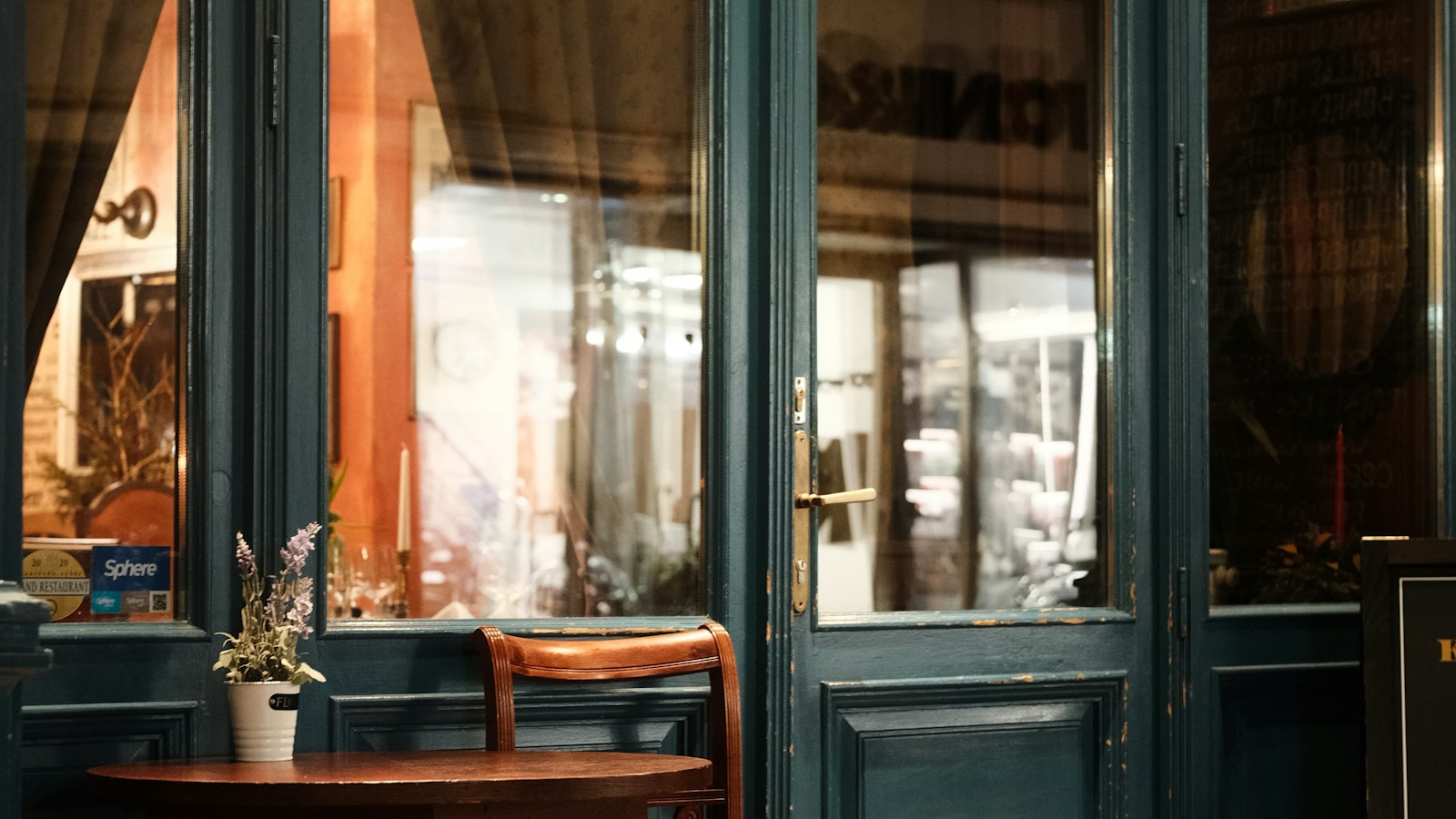
Editorial illustration. Photograph by Roman on Unsplash.
Another angle on this subject
Continue through related ideas, decisions and consequences.
 Money & Business
Retention Is More Credible When Cancellation Is a Real Choice
An opinion on subscription economics: distinguish customers who choose to stay from customers who have not managed to leave, and learn from the difference.
 World & Power
Fiscal Space Determines Who Can Absorb a Global Shock
The same external disruption can produce different public choices when existing obligations leave governments with different room to respond.
 The CyGuru Column
Leave Some of a Holiday Unplanned
An open afternoon need not deliver a revelation. It can leave room to choose after you have actually arrived.