
Lebanon’s Hunger Assessment Shows How Households Run Out of Options
A November briefing says some families maintain food consumption by drawing down savings or relying on aid. The resources behind that consumption matter for the months ahead.
Inside this article
01A stable meal can have a changing cost ↓02Look at what paid for the meal ↓03Keep the two phases in the same account ↓Event / source date: IPC analysis released 5 November 2026. WFP issued its Lebanon briefing on 11 November. · Published 12 NOVEMBER 2026
A stable meal can have a changing cost
The World Food Programme’s 11 November briefing on Lebanon draws attention to what households are using to keep food on the table. Some families are drawing down savings, borrowing or relying on humanitarian assistance, the agency says. When those resources run thin, a recent pattern of food consumption can give a misleading impression of how much room a household has to cope with a new setback.
The Integrated Food Security Phase Classification analysis covers September 2026 through July 2027 in two periods. For September through February, it estimates that about 1.05 million people, or 21 percent of the population analysed, face Crisis or worse conditions. That includes about 52,000 in Emergency. For March through July it projects 1.15 million, or 24 percent, in Crisis or worse, including 97,000 in Emergency. These figures describe classified periods and a forward projection. They cannot tell us what a particular family ate last night, and the projected figures depend on the assumptions about what happens next.
Look at what paid for the meal
Imagine two households buying roughly the same groceries this month. One has paid for them from regular earnings. The other used assistance and borrowed to bridge the remaining gap. A survey of purchases could show similar amounts of food while leaving a large difference in what each household can do next month. If a wage is delayed, the second household may already owe money to the people it would ordinarily ask for help.
A useful assessment can ask how households paid for food and whether those sources will still be available. These questions can reveal changes obscured by a total spending measure. A household might pay the same amount for groceries while falling behind on fuel or transport. That matters when the next decision is whether someone can travel to work or reach a functioning market. The purpose is to understand how one expense affects the next, without assuming that a household made a poor choice by prioritising the most urgent need.
Keep the two phases in the same account
Emergency is a subset of the Phase 3-or-above total. Adding the Emergency count to the overall Crisis-or-worse figure would count some people twice. Its growth still matters in its own right. The projected rise from about 52,000 to 97,000 gives aid planners a reason to prepare for more acute need, while the uncertainty in that projection makes a case for monitoring conditions as they change.
A national proportion can also conceal differences in prevalence and access. IPC describes variation across population groups, including refugees and displaced people. A place with a high share of residents in need and a place with a large absolute caseload can both warrant attention. One may need help reaching a small, geographically isolated population. The other may need a distribution system capable of supporting many households through a long period.
Track what can be bought where people live
IPC recommends cash-based assistance where market conditions allow. That qualification should shape decisions at the point of delivery. For a hypothetical town with open shops and regular deliveries, a transfer can let households decide how best to meet their needs. In a locality with disrupted supply or limited access, a transfer may buy less than expected, and getting to a market can impose costs of its own. Both situations call for evidence on price, access and whether merchants can supply the relevant goods.
In our analysis of the limits of a global food price index, the question was how a broad measure relates to a particular purchasing basket. In this case the difference can determine whether a benefit covers the basic needs it was designed for. Tracking the cost of the items households buy can help identify when transfer values need review, while local feedback can expose barriers a price series misses.
Protect tomorrow’s income alongside today’s consumption
WFP’s briefing points to damage to productive assets, difficulties accessing farmland and high costs of production. An agricultural household may need food now and also need a way to earn again in a later season. The timing of those interventions should reflect the work they make possible. Equipment that arrives after a planting window and income support that ends before work is available can both leave a gap.
Livelihood support also needs to be tied to what households can use safely. A farmer unable to reach land may need a different response from a farmer already returning to cultivation who lacks inputs. Assistance should account for whether a household can reach the relevant plot or market and whether the activity can realistically yield income. These are questions for assessment, alongside the immediate duty to meet severe need.
Watch what changes before the next projection
The distinction in CYPAPER’s coverage of shelter stock replenishment in Sudan was whether the aid provider could keep supplies moving. Lebanon’s briefing raises another continuity question at household level. Can families maintain access to food without accumulating obligations they will be unable to repay or using up resources they need to work?
A follow-up that records market access, the adequacy of transfers, household income and changes in coping behaviour would give meaning to movements in headline figures. If families are eating more reliably while rebuilding the resources that paid for those meals, that would be stronger evidence of recovery. The November assessment gives decision-makers a basis for protecting consumption while testing whether the conditions that make it sustainable are returning.
Gabriel Nicolaev — CyGuru
Sources & further reading
WFP: food insecurity persists in Lebanon ↗
IPC: Lebanon acute food insecurity analysis and projection ↗
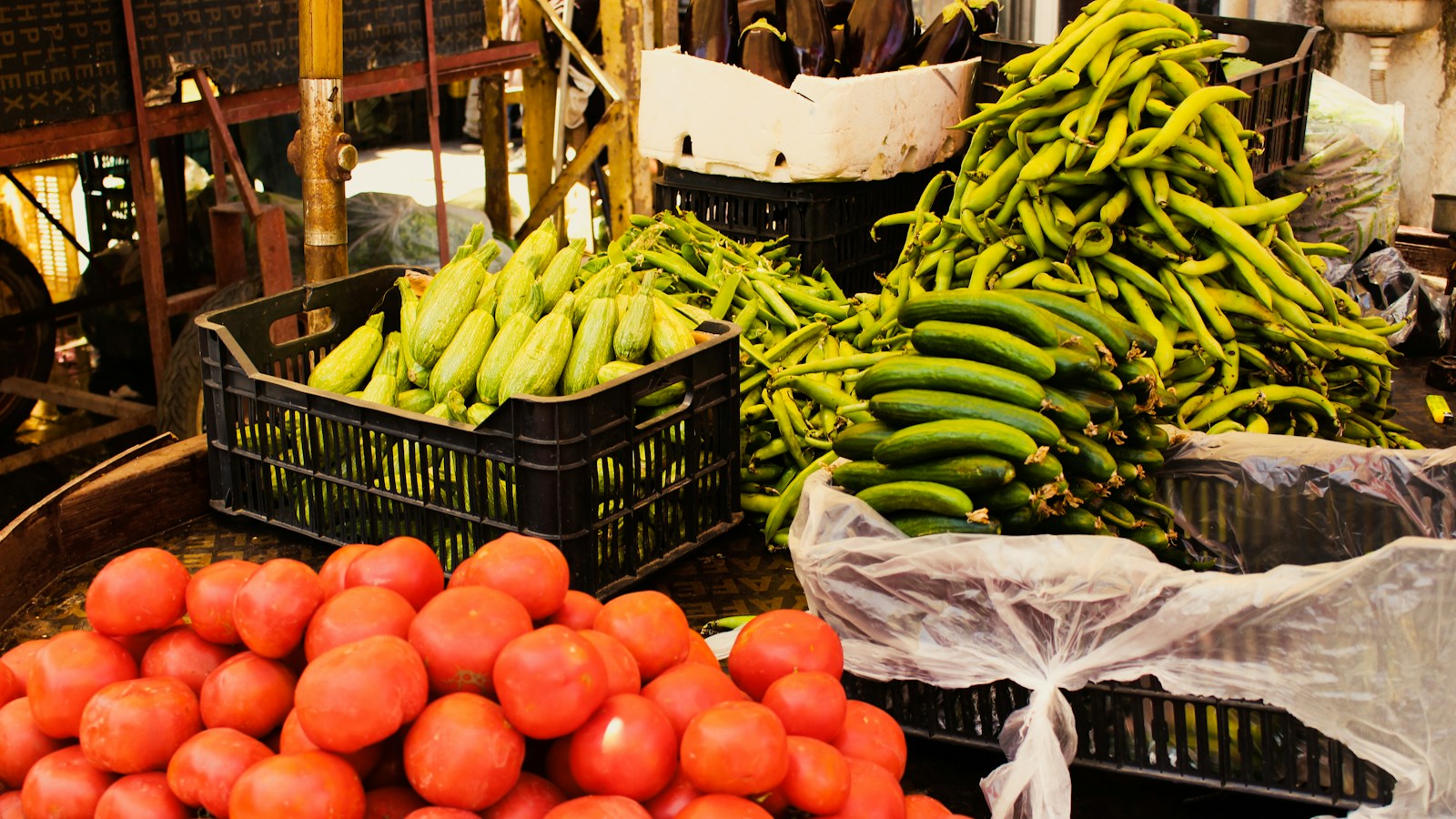
Produce at a market in Saida, Lebanon. Photograph by Flora Saltzmann, shared by Jametlene Reskp / Unsplash.
Another angle on this subject
Continue through related ideas, decisions and consequences.
 World & Power
Malawi’s Refugee Aid Cut Changes Who Receives Support
WFP’s November announcement moves beyond smaller rations to targeted eligibility, making the treatment of excluded households a central test of the transition.
 World & Power
Spain’s Housing Strike Put Workplace Leverage Behind a Public Demand
Spain’s 11 November general strike joined tenant and labour demands. Turning that coalition’s pressure into results means identifying which institutions can act on each request.
 World & Power
At Doha, ITU Members Are Deciding Which Digital Problems the Agency Can Take On
The ITU plenipotentiary opened on 9 November. Its leadership choices and four-year plans will shape the capacity behind international telecom work.