
The G7’s Undersea Cable Pledge Puts Port Access in Focus
The Paris declaration calls for cooperation on repair ships, permits and spares. The practical test is how quickly authorities can put a prepared crew to work.
Inside this article
01A vessel has to be allowed to reach the fault ↓02Put the decisions in working order ↓03Prepare for two customers needing the same ship ↓Event / source date: G7 foreign ministers met in Paris on 9–10 November 2026. France published their joint declaration on 11 November. · Published 12 NOVEMBER 2026
A vessel has to be allowed to reach the fault
The G7 foreign ministers’ declaration published by France on 11 November asks governments and industry to cooperate on access to repair vessels, equipment and spare parts for critical undersea infrastructure. It also calls for timely authorisations and access to ports. Those operational clauses deserve attention alongside the declaration’s broader emphasis on safeguarding cables and landing stations.
A break at sea can leave several organisations controlling different parts of the same recovery. An operator identifies the affected system. A vessel owner can say when a crew and ship are available. Government departments may need to authorise entry or work, and a port can determine whether the ship can take on the equipment it needs. Each organisation can be doing its part while the overall timetable remains unclear. The declaration gives governments a reason to find out where the handoffs will fail before a vessel is waiting offshore.
Put the decisions in working order
Consider a hypothetical fault on a telecommunications route that serves an island. A maintenance contractor has a vessel available and a compatible length of cable in a regional depot. Before work starts, someone has to match the likely fault location to the responsible authorities, determine which approvals apply and agree where the ship can load the spare.
A service operator can map the sequence with the authorities that will handle it. Some approvals may depend on confirmed coordinates. Others can be prepared while the engineers are still locating the fault. The distinction affects how much work can take place in parallel. A packet containing the proposed work area, vessel details, expected schedule and contacts can give an official something concrete to evaluate. Responsibility for supplying each document should be known before the fault report arrives.
The exercise also reveals what a single contact can actually achieve. A useful contact tracks requests through the agencies and says which step is outstanding. An official assigned to answer the telephone may lack the power to authorise a vessel. Governments should specify which decisions remain with specialist bodies and who can intervene when a request has reached an office that cannot resolve it.
Prepare for two customers needing the same ship
Working Group 1 of the submarine cable resilience advisory body convened through the ITU and the International Cable Protection Committee recommends more predictable permits and shared repair resources where feasible. The proposal recognises a practical limit. A government can shorten an approval process without creating another specialist ship. A regional maintenance arrangement can provide access to one without guaranteeing that it will be available for every fault.
Suppose two operators in the hypothetical region request the same vessel after separate failures. Both may have an urgent case. If one can divert essential traffic for a few days and the other cannot, the shared service agreement needs a way to consider that difference. The people deciding should know which customers have contractual claims, which services face interruption and how a priority can be reviewed if the situation changes. An allocation method decided in advance gives both operators grounds for planning around a scarce resource.
Give restoration a clock people can inspect
Governments and operators can learn more from a timeline of an exercise than from the number of agencies invited. Record when the operator notified the maintenance provider, when the vessel accepted the assignment, when authorities received sufficient information, when permission was issued and when work began. A repair log should also distinguish physical completion from the point when traffic was tested and restored.
These intervals have different causes. A missing spare calls for an inventory or procurement decision. An approved request that arrives after a ship’s sailing window calls for better coordination. Weather can defer safe work despite excellent preparation. Report these separately so managers know whether to invest in a spare, change a procedure or plan for a longer service interruption. Security-sensitive coordinates and customer traffic details can be restricted while the process timings remain available to the people responsible for improving them.
Decide how much traffic has somewhere else to go
A continuity plan also needs evidence of what other routes can carry during an outage. An alternate cable may have capacity in ordinary conditions and still become congested when several customers divert at once. A contingency exercise can identify which links depend on the same landing station, electricity supply or onward connection. That makes the consequences of a common failure easier to see.
CYPAPER’s coverage of the ITU’s Doha conference examined the agency’s ability to coordinate member priorities. Our article on protecting the people and equipment behind a repair examined civilian water services. The cable case adds a specific cross-border decision about ships, port access and permits. A technically sound repair contract needs working arrangements with the authorities along the route.
Ask for evidence from the next exercise
The Paris statement records what ministers want to improve. The next evidence should come from the agencies and companies expected to carry it out. A useful public update could identify which procedures have been mapped, where advance filings are possible, how many authorities took part in a test and which delays remain unresolved. Ship access should be tested under the conditions in which it will matter, including when an expected port is unavailable.
A credible readiness plan names the ship that might be called, the people able to release it, and the decisions that allow it to begin work. The time spent agreeing those responsibilities before a fault can give an operator a better chance of keeping an outage from becoming a prolonged interruption.
Gabriel Nicolaev — CyGuru
Sources & further reading
France Diplomatie: G7 foreign ministers’ joint declaration ↗
ITU and ICPC advisory body: Working Group 1 recommendations ↗
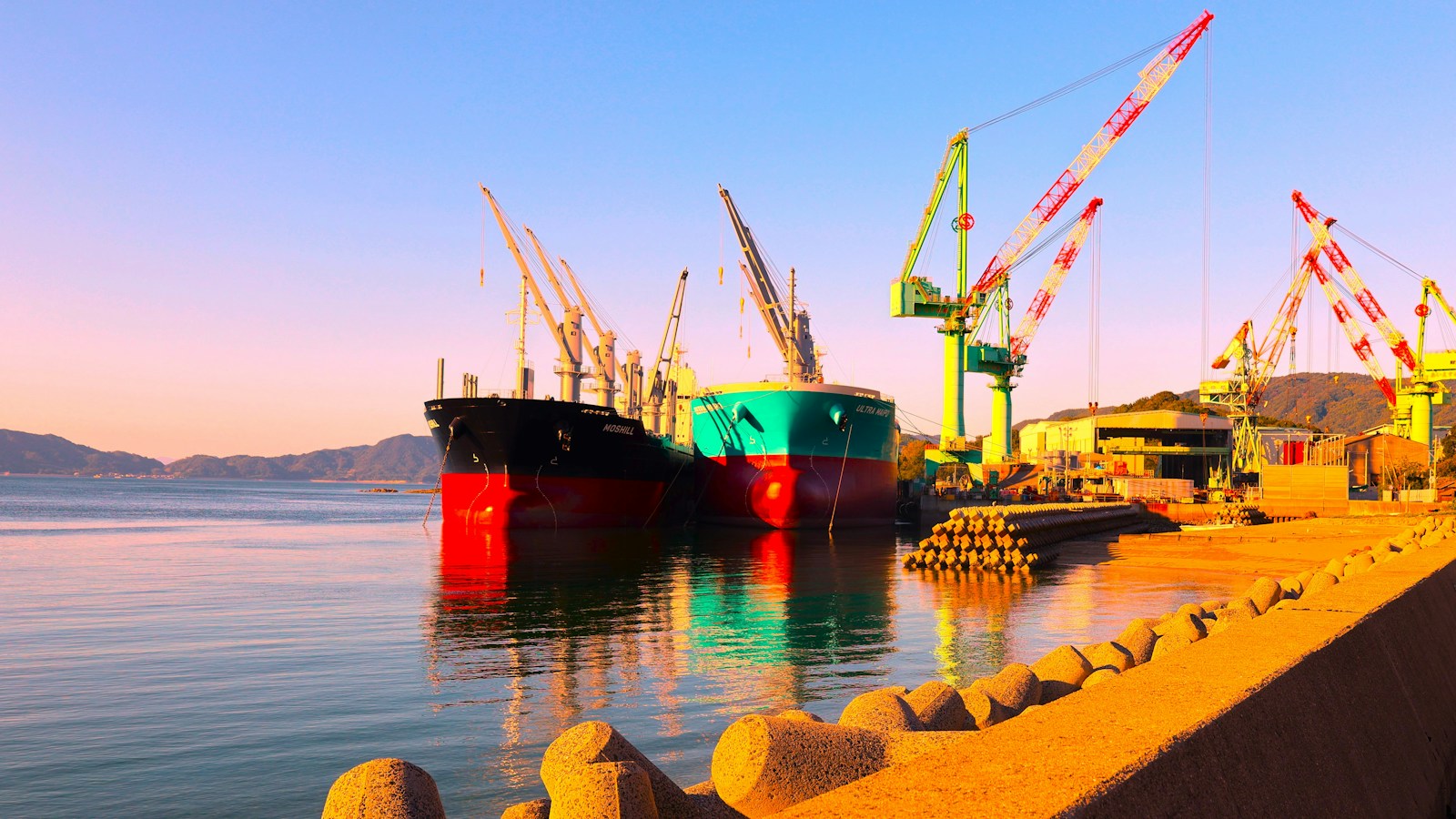
Cargo ships in Japan’s Seto Inland Sea. Illustrative photograph by Chris Linnett / Unsplash.
Another angle on this subject
Continue through related ideas, decisions and consequences.
 World & Power
The Gambia’s Peace Accord Faces Its Test When a Campaign Complaint Arrives
A renewed campaign pledge puts peaceful participation in writing ahead of the December presidential election. Its practical value depends on who handles disputes as they arise.
 Technology & AI
IBM’s Nighthawk Roadmap Puts the Quantum Workflow on Trial
IBM reported faster sampling and outlined a 2027 expansion. The practical test is how long a comparable answer takes once the classical work is counted.
 Culture & Ideas
Gitega’s Museum Project Should Be Judged Through the Visit It Makes Possible
A UNESCO–ALIPH rehabilitation project in Burundi invites a practical test of museum renewal: conservation, access and education must work together.