
Climate Numbers Need Their Observation Window
WMO’s COP31 update combines observations and expectations. Public decisions need to preserve the distinction between what has been measured and what is still projected.
Inside this article
01A current report can contain several clocks ↓02Keep the baseline attached to the figure ↓03Do not make a partial year impersonate a full one ↓Event / source date: 2026-11-09 — source publication; the article distinguishes observation periods, announcements and projected outcomes. · Published 10 NOVEMBER 2026
A current report can contain several clocks
WMO released its State of the Climate Update for COP31 on 9 November 2026. Its publication page reports a January–September global average surface temperature about 1.47°C above the 1850–1900 average. It describes 2026 as set to rank among the four warmest years and says its available observations extend to September. Those are not three interchangeable descriptions of a completed annual measurement.
The distinction deserves more attention than a footnote. An observation window defines what a number can describe. A forecast extends a proposition beyond what has already been observed. A ranking may still depend on information that has not arrived. The public reader should not have to reconstruct these differences from a headline that has compressed them into a single declaration. Precision about time is part of explaining the evidence.
Keep the baseline attached to the figure
Imagine a hypothetical public briefing that says temperatures are two degrees higher. Higher than yesterday, a seasonal average, the beginning of a measurement series, or a historical reference period? Each comparison could be meaningful; none can substitute for the others. An impressive number without its reference point asks the audience to supply a comparison that the speaker has not established.
A better briefing keeps the quantity, location, period and baseline together. It should also distinguish a global average from conditions at a particular location. A reader can then understand which proposition is being made before debating its implications. This is an editorial requirement for intelligibility, not an argument that a precisely presented measurement answers every policy question.
Do not make a partial year impersonate a full one
A figure covering nine months should retain those nine months in every important retelling. Calling it a completed annual result changes the claim. The final months could alter the full-year value even where the broad direction of the evidence remains clear. This is why a cautious formulation can be stronger than a supposedly decisive one: it states a proposition the available information actually supports.
The WMO page also presents expectations about El Niño into 2027. These should remain attributed expectations rather than reported observations from a future period. Readers can take a forecast seriously without treating it as an event that has already occurred. A distinction that matters at publication should survive a social caption, chart title and subsequent commentary.
Ask which decision needs which horizon
Consider a hypothetical authority deciding whether to inspect cooling equipment before the next hot season. The relevant evidence horizon differs from that of a government considering the design life of a major public building. Neither decision becomes well founded merely by attaching the same global headline to its paperwork.
The authority should identify what information bears on the choice: local conditions, the vulnerability being examined, the period over which the measure must work and the consequences of waiting. These are proposed questions for an appraisal, not a claim that the WMO update has resolved a specific city’s engineering requirements. A global assessment can frame the problem while leaving substantial local work to be done.
An honest update preserves the earlier record
Suppose a preliminary value is revised when a fuller series becomes available. The public account should explain what changed: the observation window, the underlying data, a method or an error. Silently replacing a number makes it harder to understand whether the evidence developed or the original communication was wrong.
A useful record would preserve the initial release date and the later revision date, with a clear description of the affected claim. This should work in both directions. A revision that strengthens an earlier warning deserves the same clarity as one that moderates it. The aim is a traceable account, not a permanent obligation to defend the first published number.
A threshold needs a purpose
A hypothetical agency might use a measure to trigger a review of its preparedness. It should explain why that measure suits that review and what crossing the threshold permits officials to decide. A scientifically significant indicator is not automatically an operational trigger for every service.
CYPAPER’s analysis of foresight and budget decisions addresses the separate question of how an alternative future can change a spending choice. Here the prior discipline is knowing exactly which evidence is being carried into that choice. A scenario, an observed average and a forecast can all be relevant, but their usefulness depends on preserving their different roles. Combining them into a single persuasive image makes the decision less inspectable.
Precision should travel with urgency
The strongest public explanation does not ask readers to choose between urgency and accuracy. It gives them a definite claim, a stated period and an account of what remains uncertain. That provides a better basis for scrutinising action or inaction than an argument whose apparent force depends on dropping its qualifications.
WMO’s new update is a timely reason to examine the evidence carefully. It is not a licence to invent a final annual result or a local forecast. Public institutions should carry the observation window with the number, the baseline with the comparison and the uncertainty with the projection. An audience that can distinguish those elements is better equipped to ask whether a proposed response fits the problem actually described.
Gabriel Nicolaev — CyGuru
Sources & further reading
WMO — State of the Climate Update for COP31 ↗
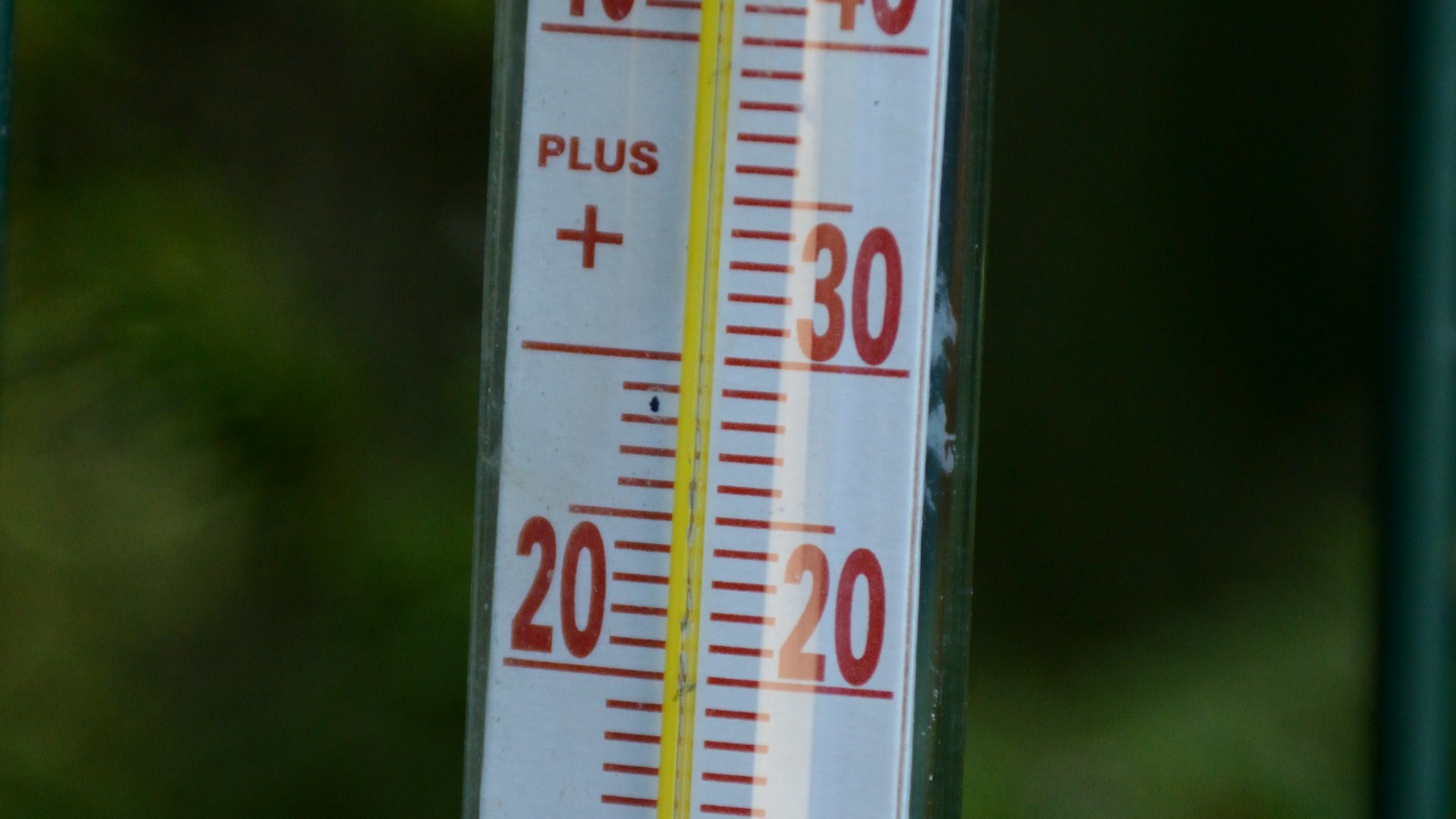
Close-up of an outdoor Celsius thermometer against a blurred green background; illustrative photograph.
Another angle on this subject
Continue through related ideas, decisions and consequences.
 World & Power
COP31’s Two Tracks Require Different Evidence of Progress
The 10 November press conference placed negotiations alongside the Global Climate Action Agenda. Readers should track decisions, commitments and operating results on their own terms.
 World & Power
Public Waitlists Need a Rule for Moving Between Queues
An original governance essay on transfers, changing eligibility and the decisions hidden when a public service treats every waiting list as a separate world.
 Human Behaviour
A Surprise Should Still Leave Room for Refusal
A generous surprise should leave the recipient a genuine choice. Explore gifts, public invitations and commitments that arrive before consent has been asked for.