
Venice’s Flood Anniversary Reveals the Long Life of Cultural Cooperation
A new UNESCO–Fondazione Giorgio Cini project revisits the response to the 1966 flood, raising a deeper question about who sustains heritage after an emergency.
Inside this article
01The emergency is a beginning, not the whole story ↓02Preservation is also an institutional relationship ↓03Do not let generosity stand in for accountability ↓Event / source date: 2026-11-03 — UNESCO project announcement; flood anniversary 4 November 2026. · Published 4 NOVEMBER 2026
The emergency is a beginning, not the whole story
A disaster can make a cultural place suddenly visible to people far beyond it. Images travel, donations arrive and a rescue becomes a shared international cause. The less dramatic question comes later: who continues the work once the event no longer organises public attention? Safeguarding requires decisions that outlast the emotional clarity of the emergency.
A UNESCO announcement dated 3 November 2026 describes a new digitisation project with the Fondazione Giorgio Cini, linked to the sixtieth anniversary of Venice’s 4 November 1966 flood. UNESCO says the work will make records of the international safeguarding effort gradually available over two years. It is a project announcement, not evidence that the entire collection can already be searched online. Its significance here is what the records may reveal about sustained cooperation.
Preservation is also an institutional relationship
A restored building can look like the result of a single act of generosity. The process behind it may involve technical choices, permissions, financing and negotiation over the purpose of the work. Following those decisions changes the story from a sequence of heroic interventions into an account of how institutions managed to cooperate.
UNESCO describes the collection as documenting the International Campaign for Venice and the subsequent joint programme with international private committees. That continuity creates a question for historians and the public: which relationships made work possible over a long period? The answer should come from examining the records. A launch announcement cannot establish in advance that the collaboration was always harmonious or that every decision was sound.
Do not let generosity stand in for accountability
A donor’s contribution deserves recognition without becoming the only perspective through which a project is understood. Cultural safeguarding involves people who live in a place, specialists who advise on intervention and public authorities responsible for decisions. Their interests may overlap without being identical.
An institutional history becomes more useful when it allows these roles to be examined separately. Who set priorities? Which proposals were rejected? How were disagreements resolved? These are not accusations about the Venice campaign. They are questions that distinguish an accountable account of cooperation from a commemorative story in which resources simply appeared and everyone agreed on how to use them. Generosity and scrutiny can coexist.
Restoration needs a life after completion
A completed intervention leaves something that must continue to be cared for. That creates a different kind of responsibility from financing the initial work. The relevant arrangement includes future inspection, maintenance, technical knowledge and clarity over who responds when deterioration appears.
Imagine a hypothetical historic building restored after severe water damage. The restoration is a real achievement. Its longer value also depends on whether the responsible institution can maintain the work and understand the choices made during it. The distinction matters for how cultural projects are discussed: a completion ceremony marks the end of one phase, not a final victory over time, environmental exposure or the ordinary demands of stewardship.
A city is more than the objects visitors recognise
The meaning of safeguarding changes if the protected place is treated only as a collection of admired views. Buildings and artworks exist within a living environment of uses, relationships and public decisions. A preservation debate should therefore leave room to ask how cultural value relates to the people who inhabit and use the place.
That is an interpretive principle, not a claim that the new project has already answered contemporary policy questions for Venice. Historical records can inform such questions without resolving them automatically. They may show how earlier participants defined what mattered and whose concerns entered the discussion. Readers should remain alert to the difference between discovering that a decision was documented and concluding that everyone affected had equal influence over it.
Use the anniversary to examine duration
Anniversaries encourage a clear narrative: disaster, response, rescue. A longer institutional view asks what happened between those moments and afterwards. Which commitments endured? What expertise was transmitted? What changed when leadership, funding or public priorities shifted? Those questions give commemoration analytical value.
The announced two-year work programme should be understood on its own terms, with materials becoming available gradually. As access develops, scholars and readers can assess what the records support and what remains missing. It would be premature to invent findings from a collection because the project sounds promising. The responsible position is to explain why the evidence could matter while leaving its eventual interpretation open to examination.
The enduring achievement is the capacity to keep caring
Venice’s flood anniversary offers more than an occasion to recall a dramatic response. It invites scrutiny of how international concern became a continuing set of responsibilities. The value of the new project lies partly in opening that process to questions that a celebratory summary cannot fully answer.
Cultural cooperation should be judged across time: what it preserved, how decisions were made and whether the ability to care for the result survived the emergency. That standard does not diminish the original mobilisation. It takes its ambition seriously. Heritage remains available to later generations because someone keeps renewing the practical arrangements behind it. The flood made the need visible; the longer safeguarding history concerns how people chose to remain responsible after the water receded.
Gabriel Nicolaev — CyGuru
Sources & further reading
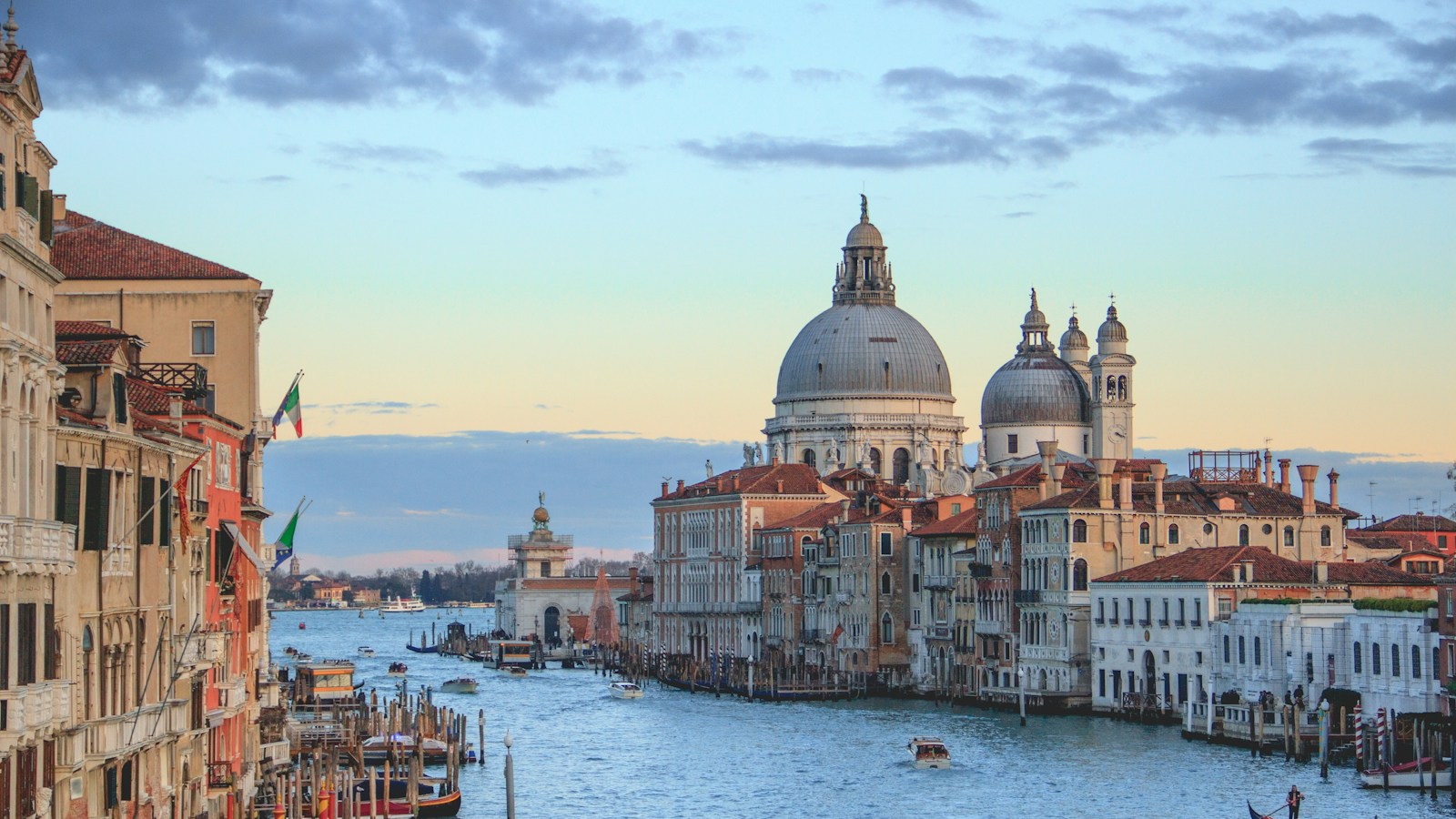
Editorial photograph for illustration.
Another angle on this subject
Continue through related ideas, decisions and consequences.
 Culture & Ideas
A Digitised Archive Can Still Lose the Story Behind Its Images
After UNESCO’s audiovisual heritage observance, the preservation question extends beyond files to context, attribution and future access.
 The CyGuru Column
Build a Life That Does Not Require Constant Urgency
When every decision feels immediate, the deeper question is which commitments keep manufacturing the next emergency.
 World & Power
Seed Aid Is an Access Problem Before It Is a Logistics Problem
New IFPRI research asks how emergency seed support can protect farmers without weakening the local markets needed for recovery.