
Nostalgia Is Not an Instruction to Return
Missing a period of your life does not settle whether you should recreate it. Separate what you value in the memory from the arrangement that held it.
Inside this article
01A memory can matter without directing the future ↓02Name the part you would actually choose ↓03Refuse the false choice between gratitude and departure ↓A memory can matter without directing the future
You can miss a place, a friendship or a former version of your daily life without deciding that returning would be wise. The feeling deserves attention. It does not have to become an instruction. A useful first question is what exactly you are mourning: the people, the rhythm, the possibility you associated with that period, or the way you understood yourself inside it.
This is a reflective essay, not a clinical explanation of memory or a claim that everyone experiences nostalgia in the same way. Its argument is that an emotion about the past and a decision about the future belong to different stages of judgment. Honouring the first does not require surrendering the second. You can examine a longing without either obeying or dismissing it.
Name the part you would actually choose
Suppose, hypothetically, that you keep remembering a former workplace. You recall long lunches, familiar colleagues and the pleasure of being recognised. The memory does not necessarily mean that you want the old job back. Perhaps you want companionship during an isolated period of self-employment. Perhaps you want a clearer boundary between work and evening.
Naming the desired element opens more than one response. Returning to the job becomes one possible action rather than the only answer the feeling permits. You might seek shared working time, restore a daily stopping point or reconnect with a colleague independently of employment. The memory can reveal a value without granting the entire former arrangement a renewed claim on your life.
Refuse the false choice between gratitude and departure
A decision to leave does not require declaring that everything you left was bad. You may have had reasons to move while receiving real affection, knowledge or opportunity there. Treating departure as a total verdict can make later warmth feel like evidence that the original decision was mistaken.
There is another interpretation available: the good was real, and leaving was still appropriate. This is not an instruction to preserve a favourable account of every past relationship. It is permission to make a more exact account. An arrangement can contain something precious without being suitable for the next stage of your life. Gratitude should not be converted into an obligation to reconstruct the conditions under which it arose.
Include the costs you once knew clearly
When considering an actual return, examine the reasons that originally made staying difficult. Do they still apply? Has anything specific changed? Who can establish the change, and through what behaviour or conditions? These questions are more useful than asking whether the memory feels powerful enough.
For a hypothetical move back to a former city, familiar streets may be genuinely appealing. The decision should still include work, housing, family responsibilities and the practical shape of an ordinary week. This does not diminish the emotional meaning of the city. It treats a return as a new decision with present consequences, rather than allowing remembered intensity to stand in for information about current life.
Do not demand that a person recreate an era
Reconnecting with someone can be worthwhile without asking the relationship to reproduce an earlier period. Both people may have changed circumstances, priorities or capacity. A reunion should leave room for those facts instead of measuring every encounter against a scene neither person can fully restore.
Imagine contacting an old friend because you miss the ease you once shared. An honest invitation might propose a conversation. An unspoken demand would require the friend to provide the exact reassurance associated with the past. The first allows a present relationship to develop. The second can make the other person responsible for repairing a loss that is partly about time itself, not about anything they have done wrong.
Bring the value into a new form
A memory can become useful when you translate its valued element into an action suited to the present. If you miss unhurried meals, create one rather than trying to recover an entire household arrangement. If you miss learning with others, seek a shared project rather than assuming that a previous institution is the only possible setting.
The new form may be less dramatic than a return. It may also fit your present responsibilities more honestly. This proposal is not a promise that replacement activities remove grief. Some losses remain losses. The purpose is to distinguish what can be practised now from what can only be remembered, so that the impossibility of complete restoration does not prevent every smaller expression of the same value.
Allow the past to remain unfinished
You may never receive a final conversation that explains an ending neatly. You may remember contradictory things: tenderness and frustration, belonging and restriction, opportunity and exhaustion. A complete verdict is not always necessary before deciding how to live now.
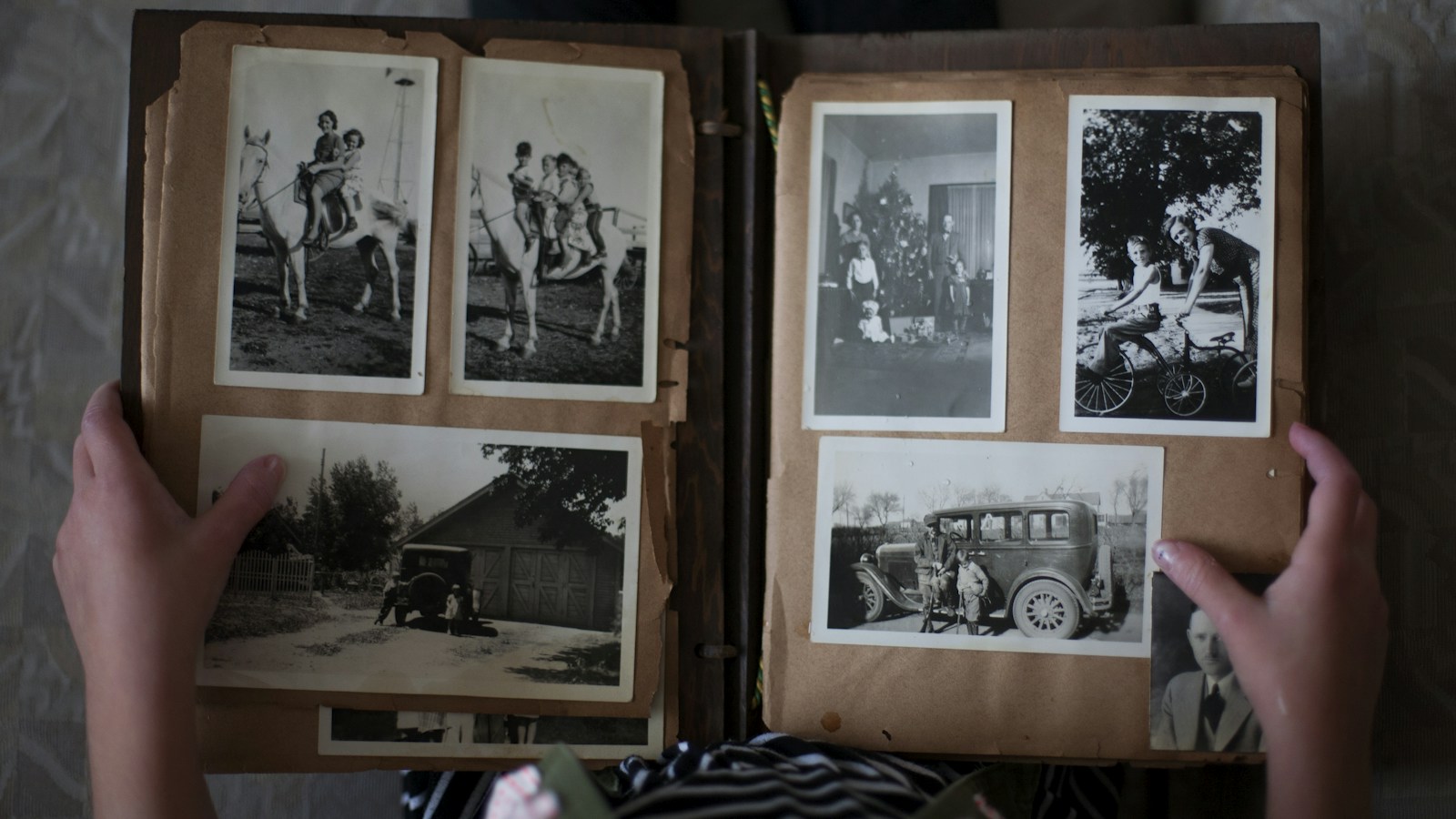
You can preserve a photograph, tell a fair story or admit that a period shaped you without making it your current destination. This offers a different relationship to memory. The past does not need to be prosecuted until it loses all appeal, and it does not need to be idealised until the present becomes intolerable. It can remain complex while your next action remains deliberate and specific.
Let longing inform, then let judgment decide
The question is not whether you are permitted to miss what you left. You are. The more useful question is what authority that feeling should have over a decision whose consequences will occur now. Longing can identify something worthy of attention. It cannot, by itself, tell you whether the former arrangement can provide it again at an acceptable cost.
Return if the present case for returning is sound, not merely because remembering feels persuasive. Stay away if the reasons remain decisive, without forcing yourself to become cold toward everything that once mattered. A mature relationship with the past can include affection, grief and a refusal to repeat. Those positions do not cancel one another. Together, they can make the future less dependent on recovering a scene that has already passed.
Gabriel Nicolaev — CyGuru
Editorial photograph for illustration.
Another angle on this subject
Continue through related ideas, decisions and consequences.
 Money & Business
An Owner’s Unpaid Work Can Hide a Business That Does Not Pay
An original management opinion: distinguish the return on ownership from compensation for work before judging whether a business model can support its founder.
 Human Behaviour
Embarrassment Does Not Automatically Mean You Did Something Wrong
An awkward moment can require correction, kindness or simply permission to pass. First establish whether anyone was harmed before appointing yourself guilty.
 Human Behaviour
A Shared Home Needs Room for Private Time
Living together does not require continuous participation. A workable household should make personal time possible without quietly transferring shared responsibilities.