
A Beautiful Interface Still Needs an Intelligible Name
W3C’s November accessible-name draft puts a practical design question in focus: can a person identify an action without relying on its appearance?
Inside this article
01The update beneath the visual surface ↓02Start with the action a person is choosing ↓03Treat naming as a product responsibility ↓Event / source date: 4 November 2026: publication of a W3C Working Draft, not a final Recommendation. · Published 7 NOVEMBER 2026
The update beneath the visual surface
W3C published a Working Draft of Accessible Name and Description Computation 1.2 on 4 November 2026. The document describes how names and descriptions of accessible objects are determined from web content and exposed through accessibility APIs. Its status matters: a Working Draft is work in progress, may change, and does not imply W3C endorsement. It should not be presented as a completed new accessibility standard.
The practical question raised here extends beyond a draft’s technical detail. A product may look coherent while leaving a person uncertain about the action a control performs. This article offers product analysis prompted by the publication, rather than a claim that the draft has already changed deployed browsers. Visual refinement deserves an equivalent discipline in the language through which an interface becomes understandable.
Start with the action a person is choosing
Consider a hypothetical document dashboard with several identical arrow icons. A sighted reviewer might infer an arrow’s purpose from its position next to a file. Another route through the interface might require a useful name for the control itself. Calling every arrow “open” can leave the decisive question unanswered: open what, and for which purpose?
A design review should ask what information belongs to the action. “Open the November statement” communicates a different choice from “download the November statement.” The point is not to make every label elaborate. It is to remove ambiguity that matters to the next decision. The best name is often the shortest one that still distinguishes the available actions accurately.
Treat naming as a product responsibility
In the draft’s explanation, an accessible name identifies an interface object, while a description can supply additional clarification. Names and descriptions therefore have related but different jobs. This conceptual distinction is useful for design teams, even while implementation details require attention to the relevant specifications and actual testing.
A product owner should be able to explain which action a label promises. An engineer should be able to explain where that label comes from. A reviewer should be able to check whether those accounts match the experience. Leaving the question between roles creates an avoidable responsibility gap. Someone needs to own the meaning of the interface, not merely the presence of a field in its markup.
A redesign can change the promise silently
Imagine a button previously used to save a draft. A redesign gives it an attractive arrow and changes the visible wording to “continue.” The next screen now submits the document. If the alternative presentation still communicates the old action, there are two different promises attached to one control.
This is a hypothetical maintenance problem, not a reported defect in a named product. It illustrates why naming belongs in change review. When the consequence of an action changes, the team should revisit every way the action is communicated. Testing only the new appearance would leave the semantic change insufficiently examined. A polished interface should make the consequential distinction more understandable rather than asking the user to discover it by proceeding.
Test the task rather than collecting labels
An inventory of labels can reveal missing names. It cannot by itself show that a sequence of choices makes sense. A more useful review follows a task: select the correct account, change a setting, understand what will happen and confirm the intended result. At each stage, ask whether the person has enough information to choose deliberately.
The review should also include a wrong turn. Can a person identify that the selected item is not the intended one? Can they return without unintentionally committing the change? These are proposed product questions, not a substitute for technical conformance evaluation. They help connect detailed implementation work to the practical purpose of letting someone complete a task with understanding.
Keep promises aligned across languages
Translation introduces another opportunity to separate appearance from meaning. A short phrase may fit a visual design while becoming vague when taken away from nearby context. A translated label should preserve the action’s consequence, not simply occupy the same amount of space as the original.
For a hypothetical payment interface, “confirm” might refer to confirming entered information or authorising a payment. Those are materially different acts. A responsible review would settle the intended meaning before approving the translation. This approach also makes design discussions more precise: if the team cannot explain the action clearly in ordinary language, a clever icon is unlikely to resolve the underlying uncertainty.
Maintain evidence without overstating it
A useful release record could retain the task reviewed, the relevant interface state and the outcome of the check. It should identify the environment and the limits of what was examined. Passing one task in one configuration should not be inflated into a universal claim that every person can use the entire service.
The November draft is a reminder to examine a layer of product quality that a screenshot cannot establish. Its publication does not prove that any particular interface is accessible. The editorial conclusion is narrower and actionable: naming deserves the same maintenance attention as layout and functionality. An interface becomes more trustworthy when its appearance, its words and the consequences of its controls tell the same story.
Gabriel Nicolaev — CyGuru
Sources & further reading
W3C: Accessible Name and Description Computation 1.2, Working Draft 4 November 2026 ↗
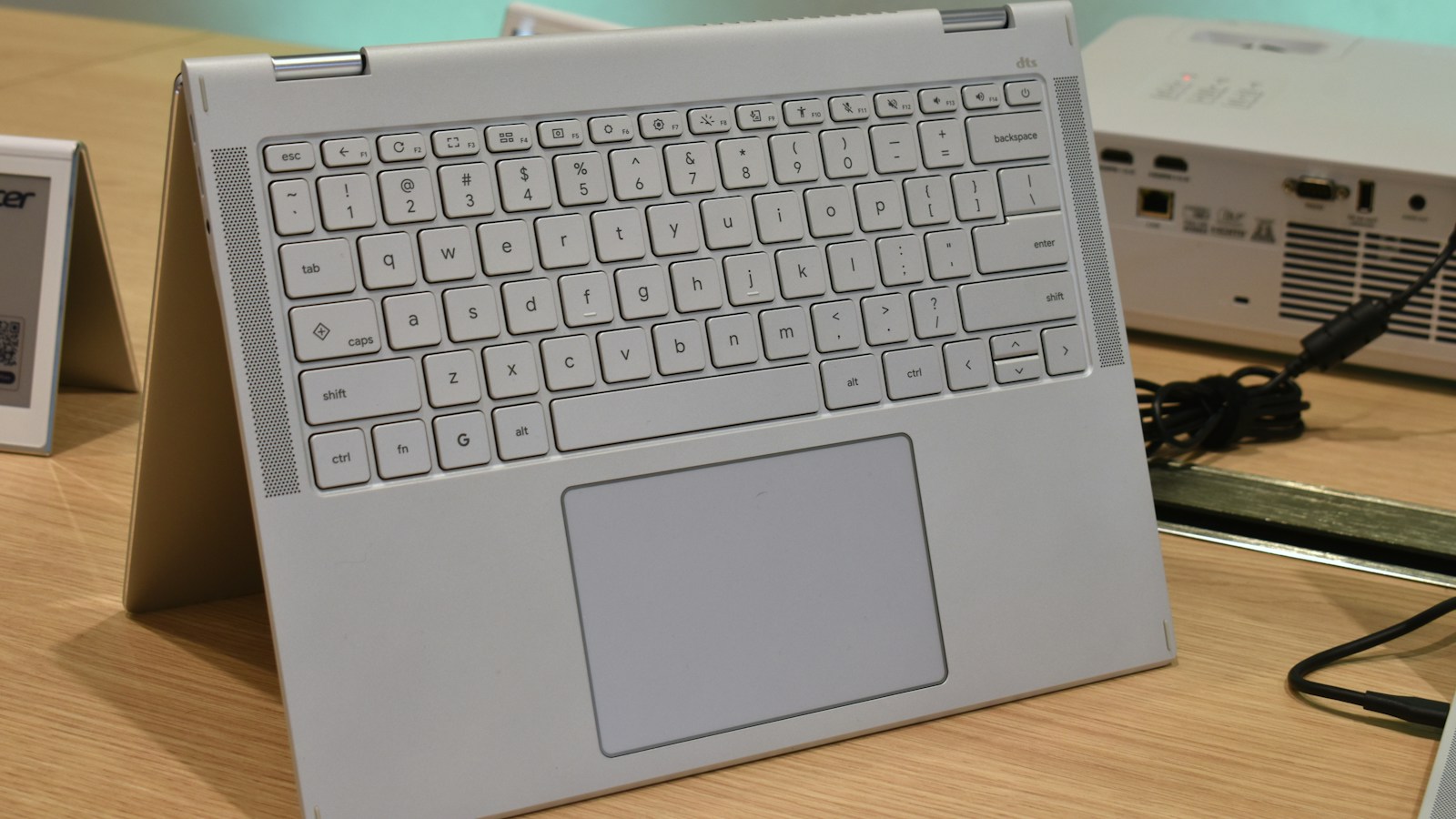
Editorial photograph for illustration.
Another angle on this subject
Continue through related ideas, decisions and consequences.
 World & Power
Emergency Listening Needs a Route From Community Concern to Action
WHO’s BRIDGE rollout raises a practical governance question: which concerns change a response, and how can communities see that they were heard?
 World & Power
Public Consultation Should Show Whose Voice Is Still Missing
A consultation can collect many responses without representing everyone affected. Its design should make participation gaps and policy influence visible.
 Technology & AI
An AI Summary Should Preserve the Disagreement That Matters
A concise summary can be useful without manufacturing consensus. Its design should keep contested proposals and unresolved decisions visible.